 9 min read
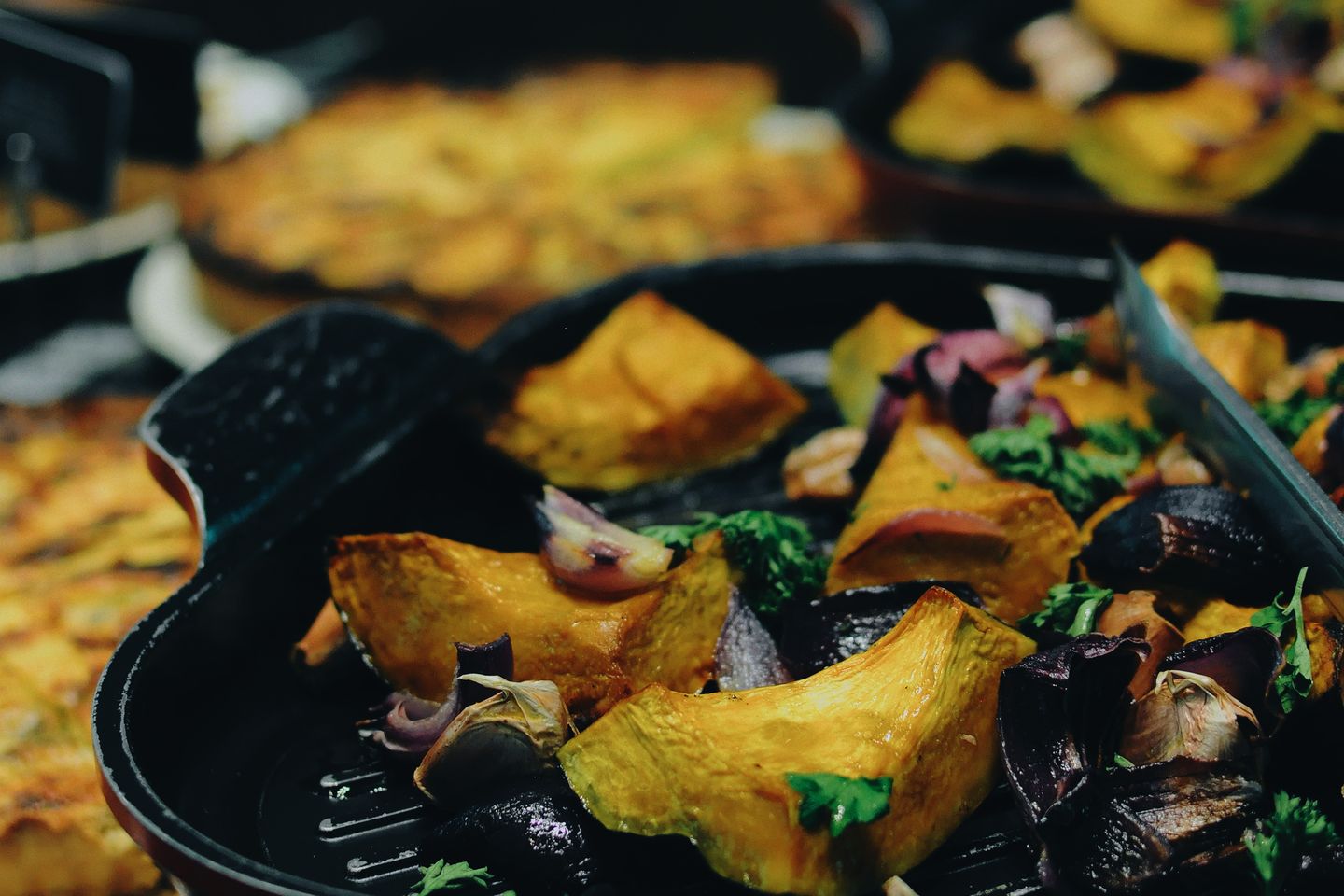
Learning to Read a Hot Pan
Follow the sound, movement and color of food in a skillet, and learn which adjustments are worth making before it reaches the plate.
 An independent food journal
Build kitchen judgment through practical comparisons and sensory cues.
9 min read
Follow the sound, movement and color of food in a skillet, and learn which adjustments are worth making before it reaches the plate.
 8 min read
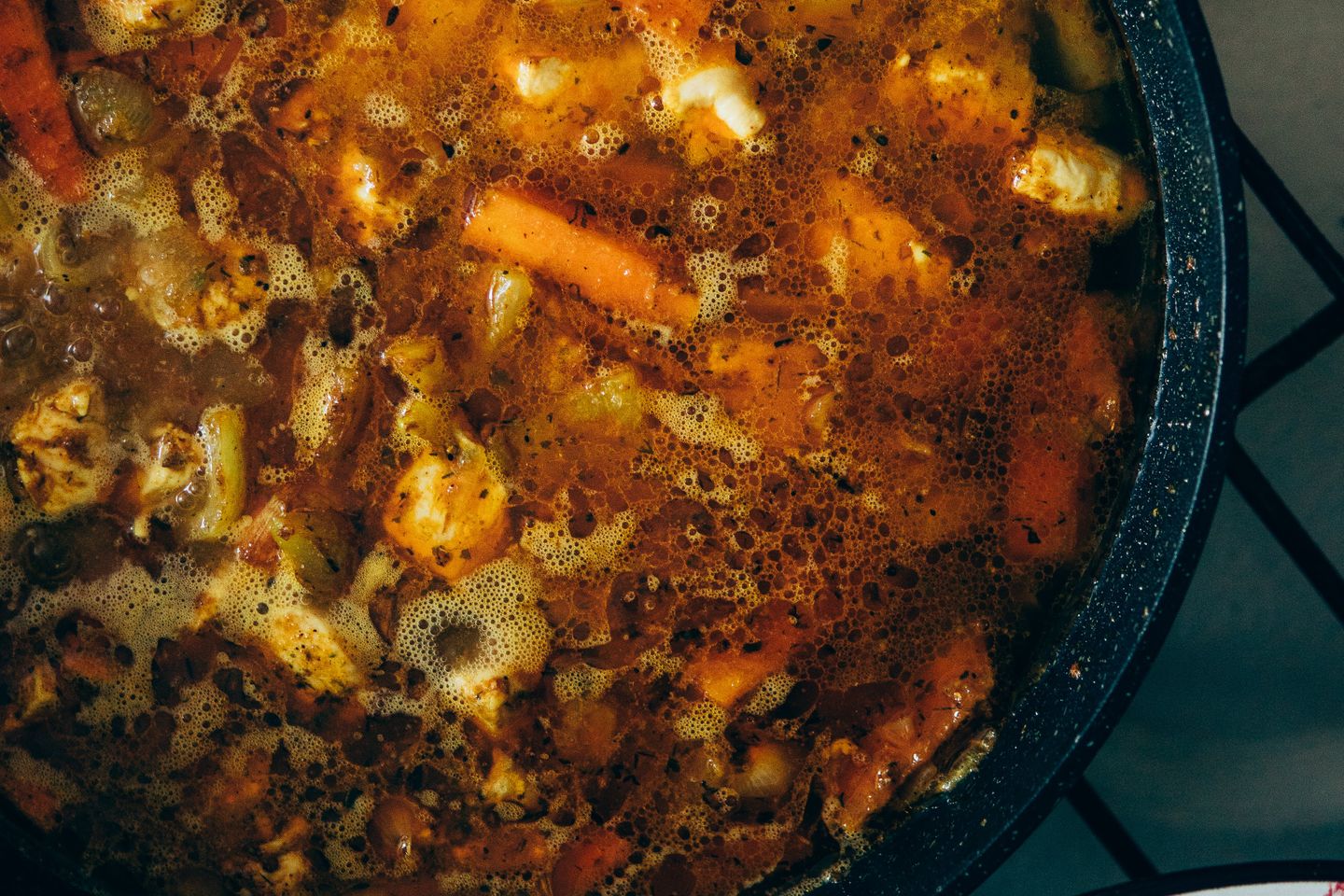
Make a clear, flexible stock with the vegetables you are likely to have, and decide what each batch is for before adding anything strong.
 8 min read
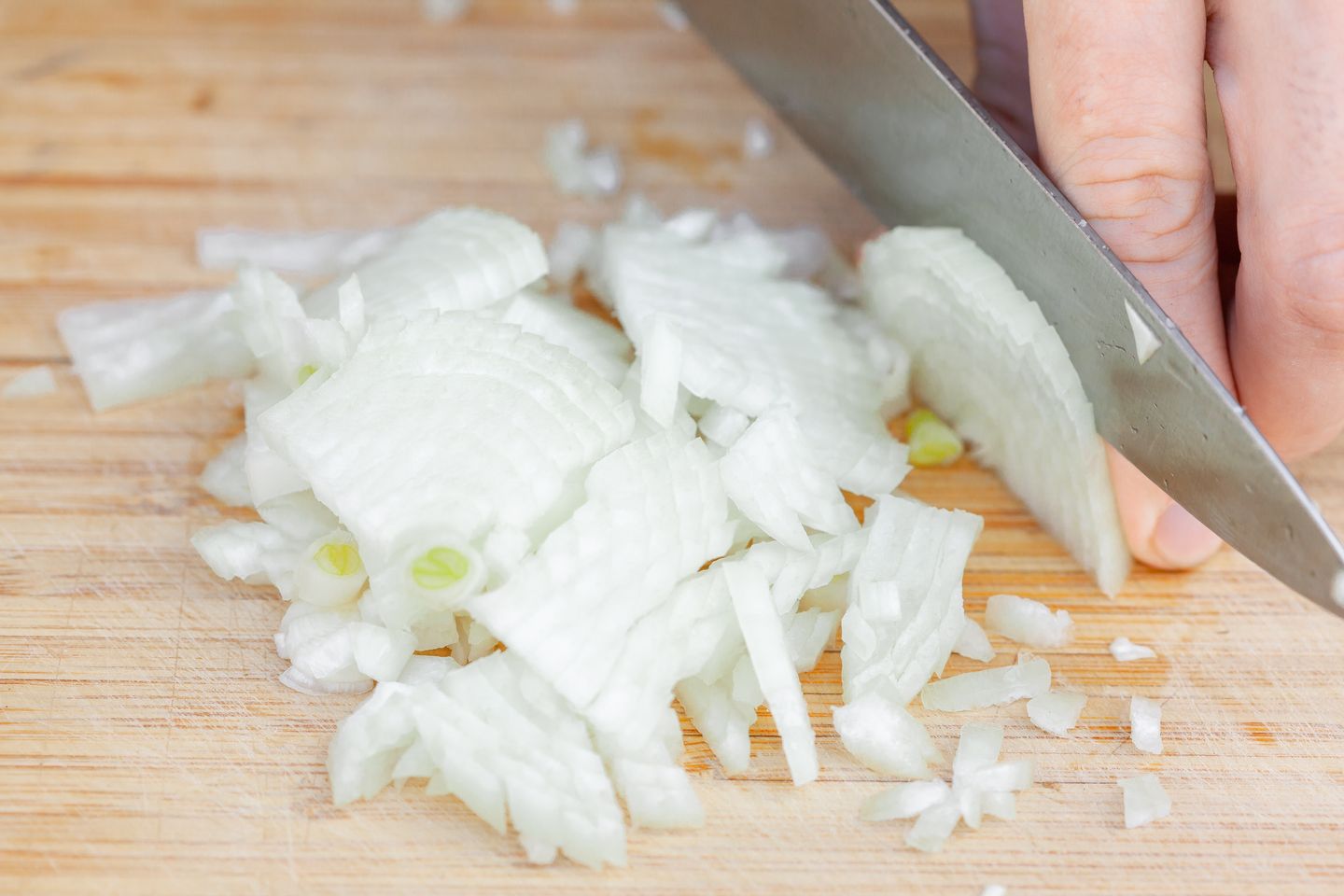
Work with the curve of an onion and the shape of its layers to get slices that cook or soften at much the same rate.
 8 min read
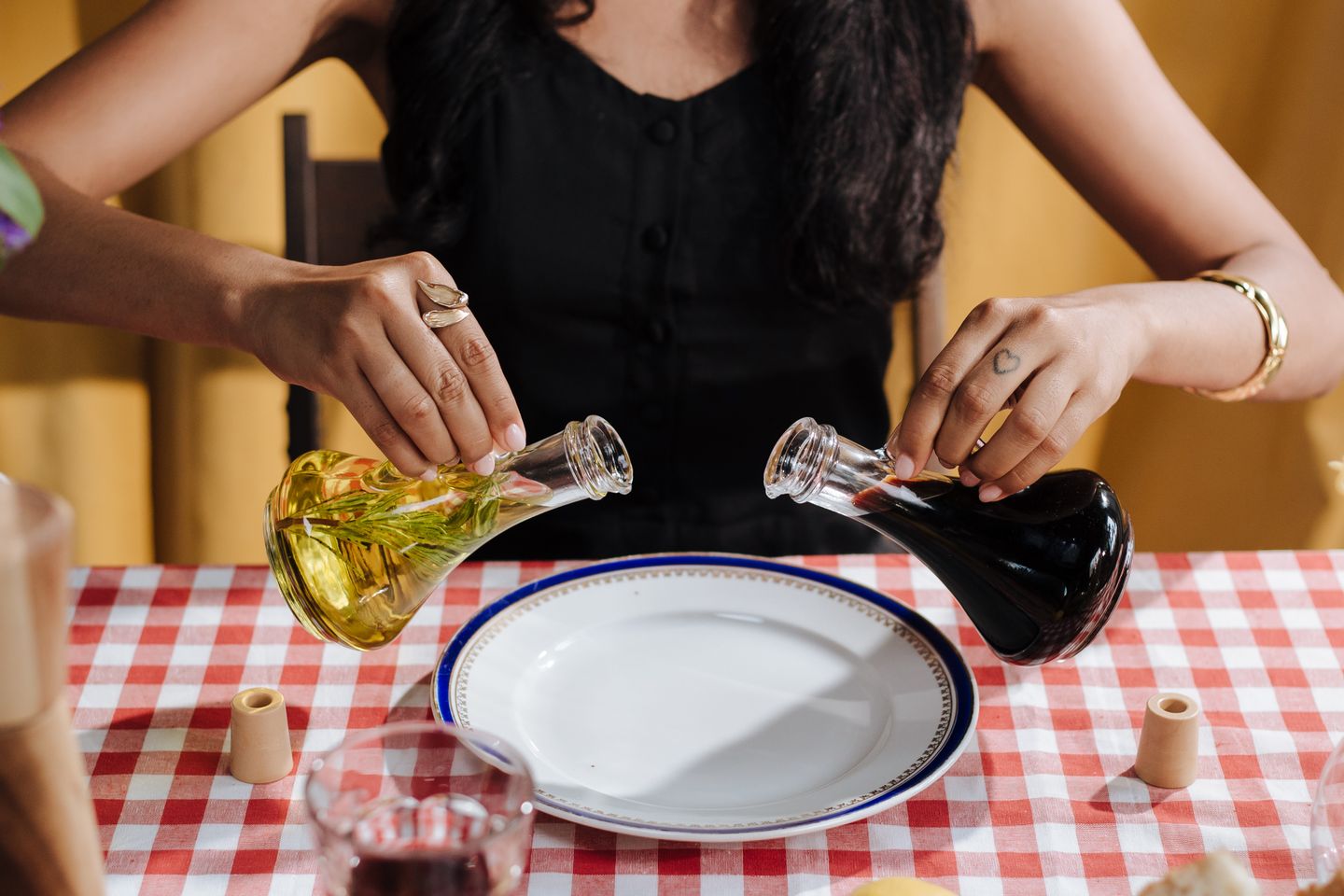
Taste the dressing on the food it will coat, and adjust its balance and texture a teaspoon at a time.
 8 min read
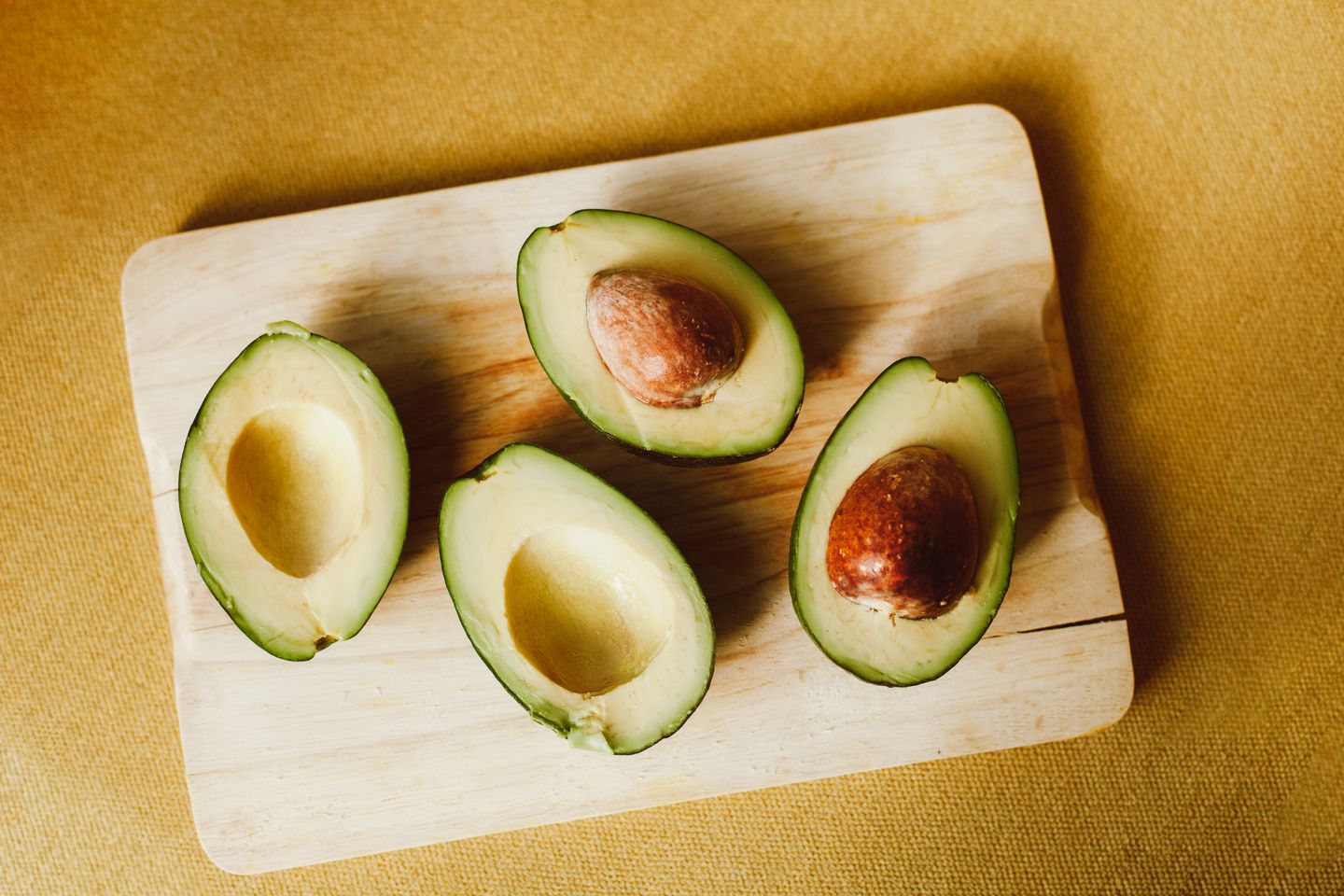
Use a spoon, a board and a ripe avocado to make pieces that stay distinct through one good toss.
 8 min read
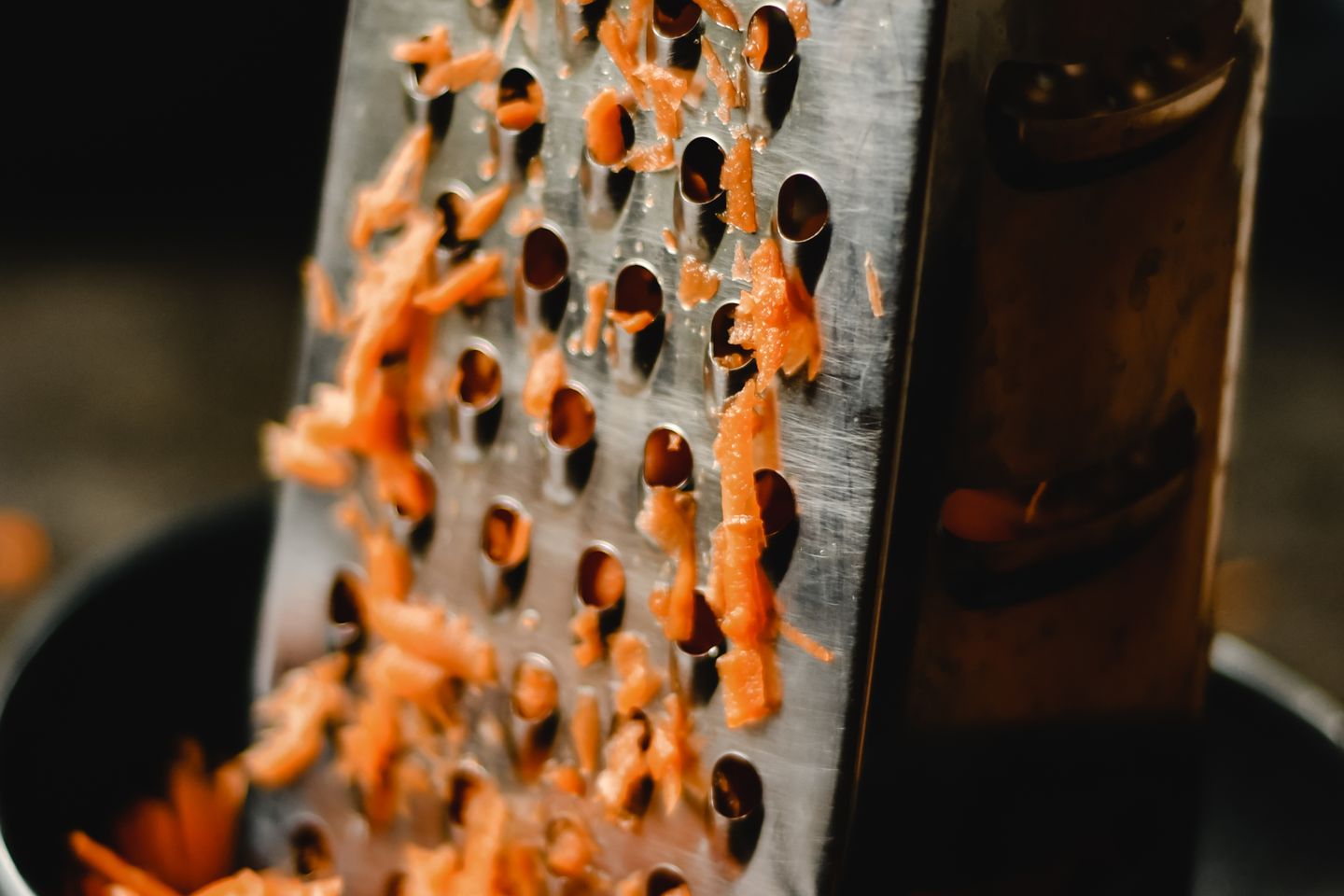
Match the right face of a box grater to the food you have, then put the different textures to work in salads, sauces and quick dinners.
 8 min read
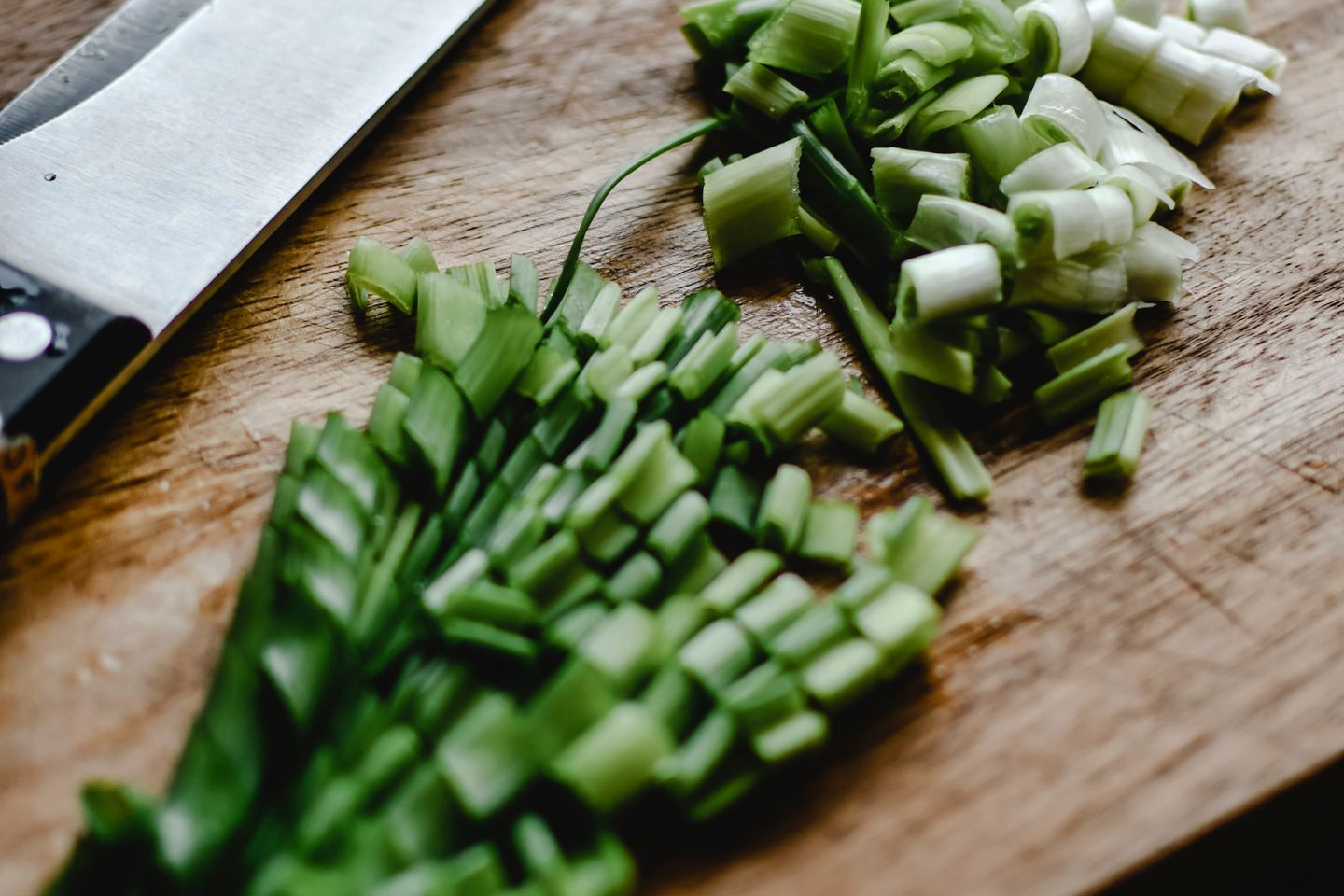
Slice a leek into thin arcs and sweat them gently for the sweet, nearly invisible base of a soup, sauce or filling.
 8 min read
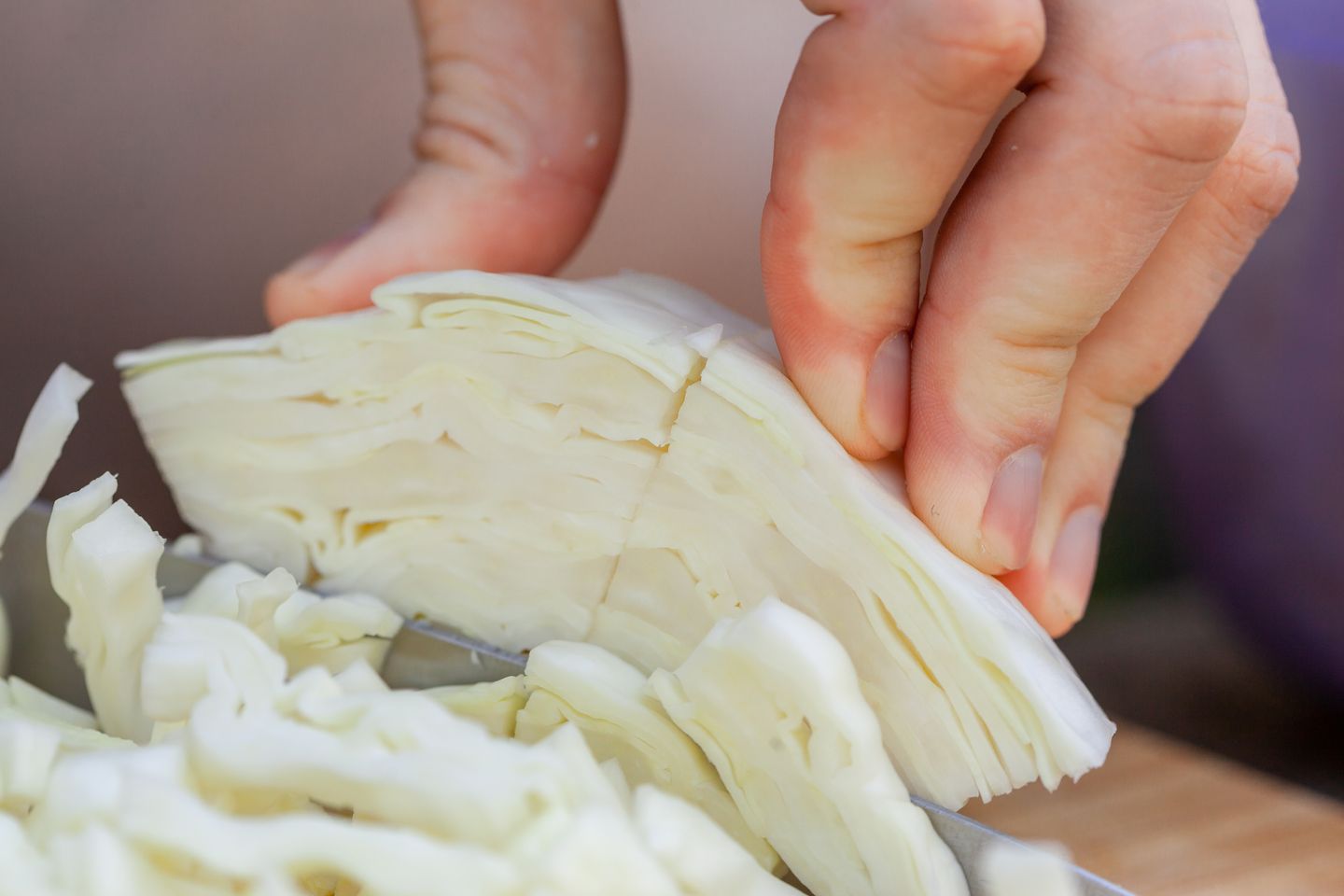
Give the whole head a stable place on the board, then use the core and the curves of the leaves to get the cut your dish needs.
 8 min read
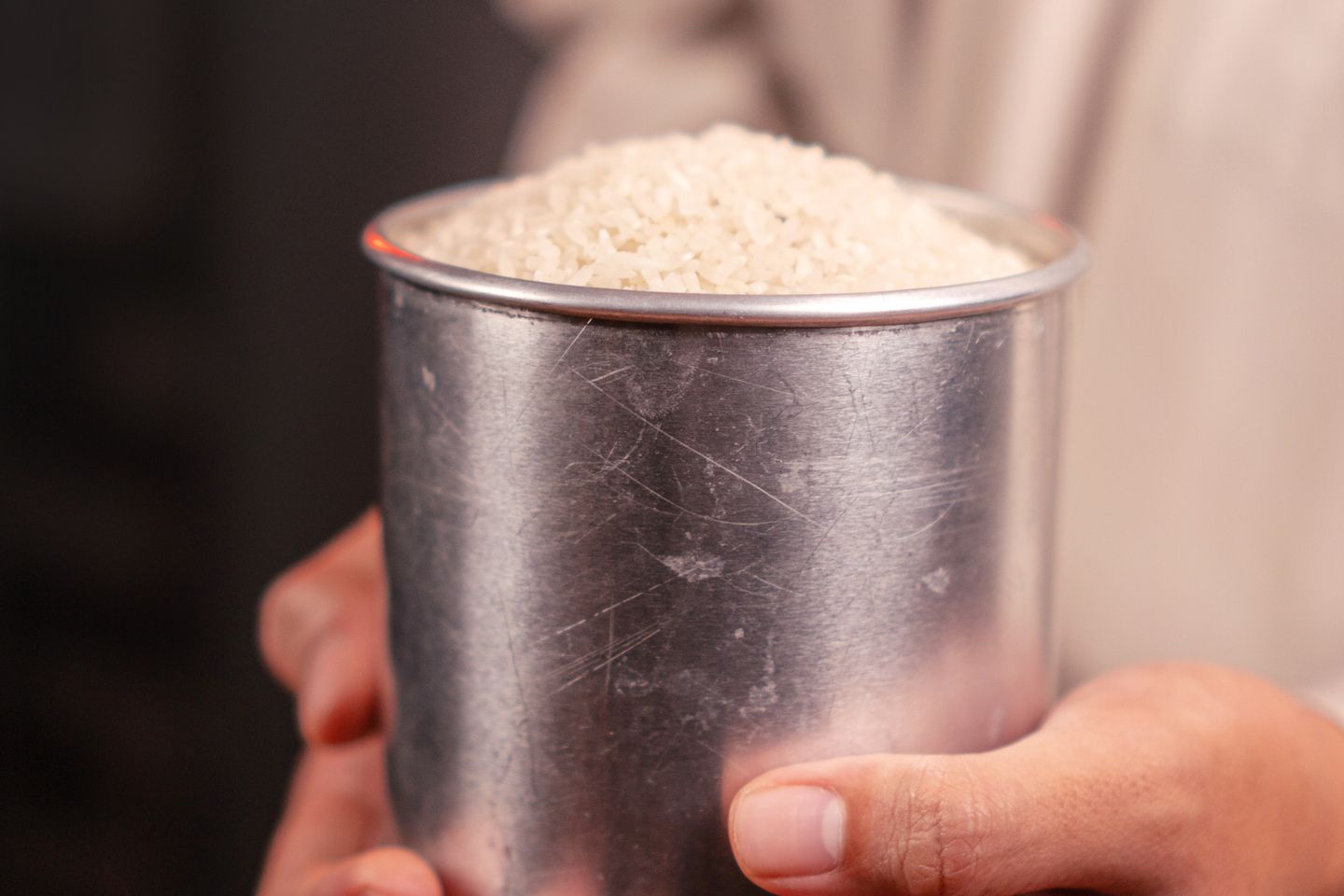
Compare two small batches from one bag and learn how rinsing, draining and the choice of rice affect the texture you get.
 8 min read
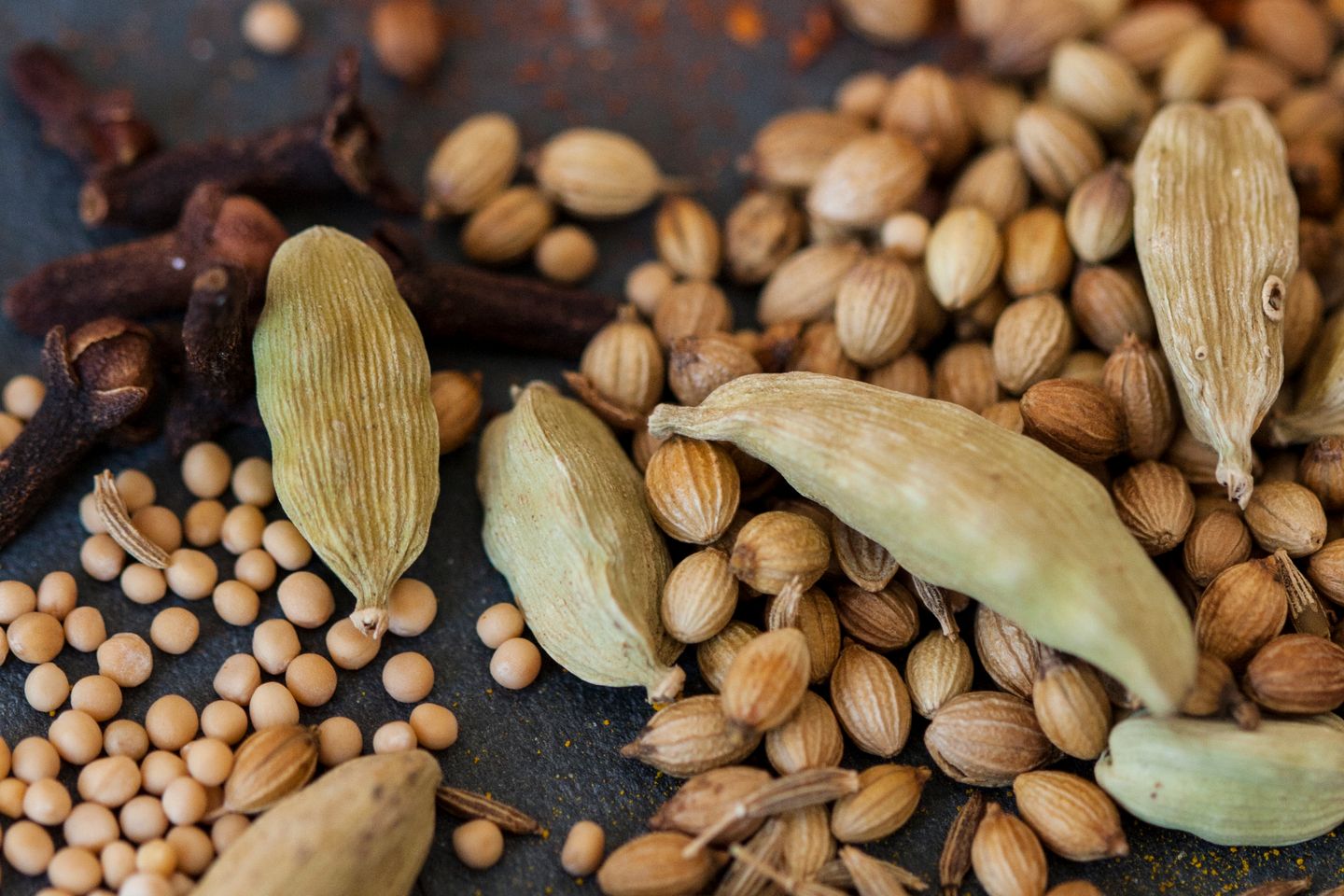
Heat a small batch of whole spices just long enough to change their aroma, then cool, crush and use them where that difference belongs.