Learning to Read a Hot Pan
Follow the sound, movement and color of food in a skillet, and learn which adjustments are worth making before it reaches the plate.
9 min read
A pan of mushrooms makes a better introduction to heat control than the dial on a stove. Add them to a hot skillet and the first sound may be quite sharp. A minute later the mushrooms can be sitting in a pool of their own liquid, making a softer bubbling noise. If you let the liquid go, the sound changes once again. The ingredients, the pan and the setting on the stove may all be the same. The job the heat is doing has changed.
Most instructions on a stove dial are relative. Medium on one burner may put more heat into a small pan than high on another. A skillet taken from a cool cupboard behaves differently from one that just cooked the first batch of dinner. Learning to cook by observation starts with recognizing what you expect a given ingredient to do and leaving enough time and space to see it happen.
Know what you want to happen first
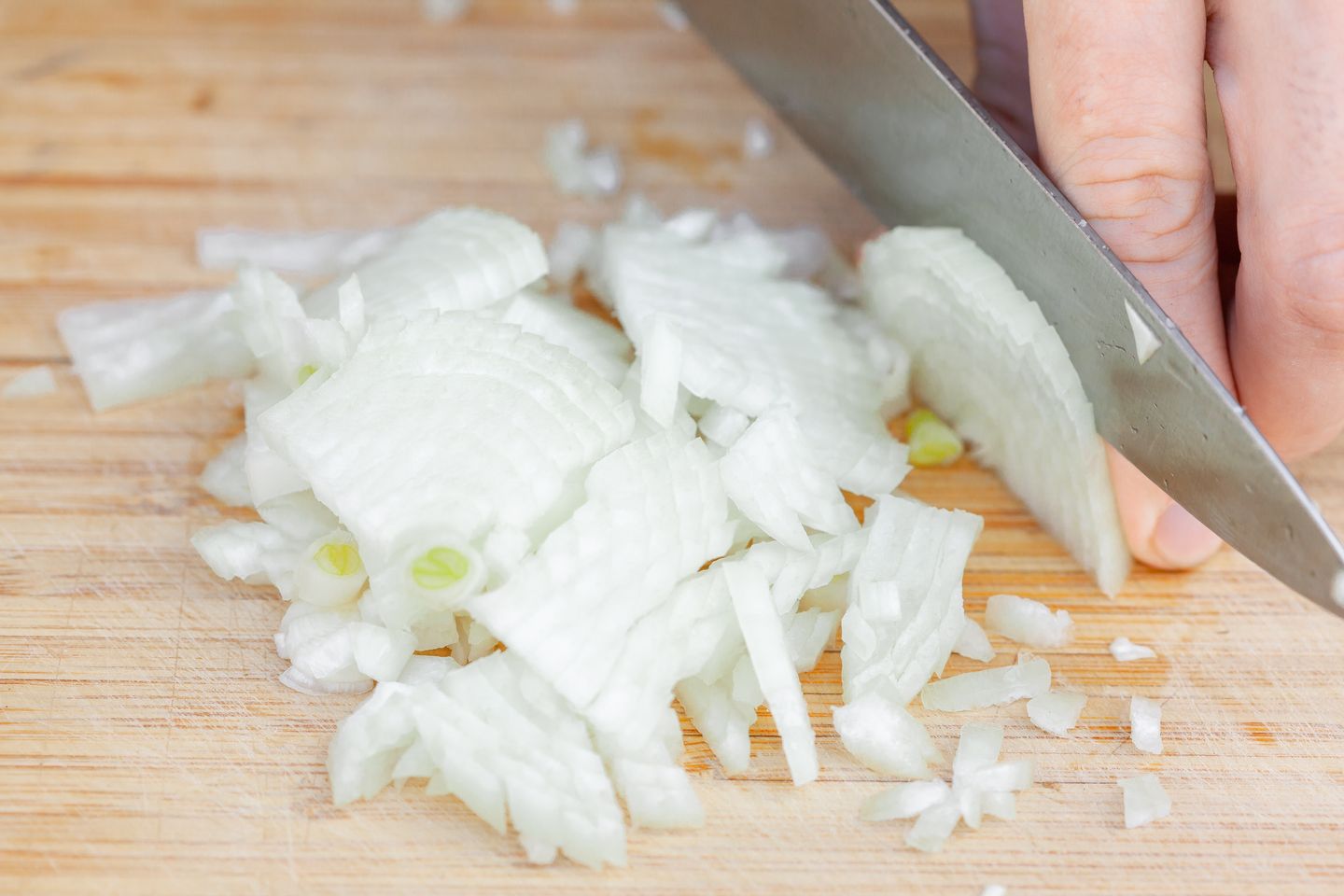
Imagine a handful of sliced onions, three ways. For a soft layer under a frittata, the cook wants the onions to lose their stiffness before they pick up much color. For a quick topping over beans, some browned tips and a little crunch are welcome. For a deeply browned mixture to spread onto toast, the job takes longer and requires repeated adjustment. The skillet can make all three. It helps to decide which one you are making before you turn the knob.
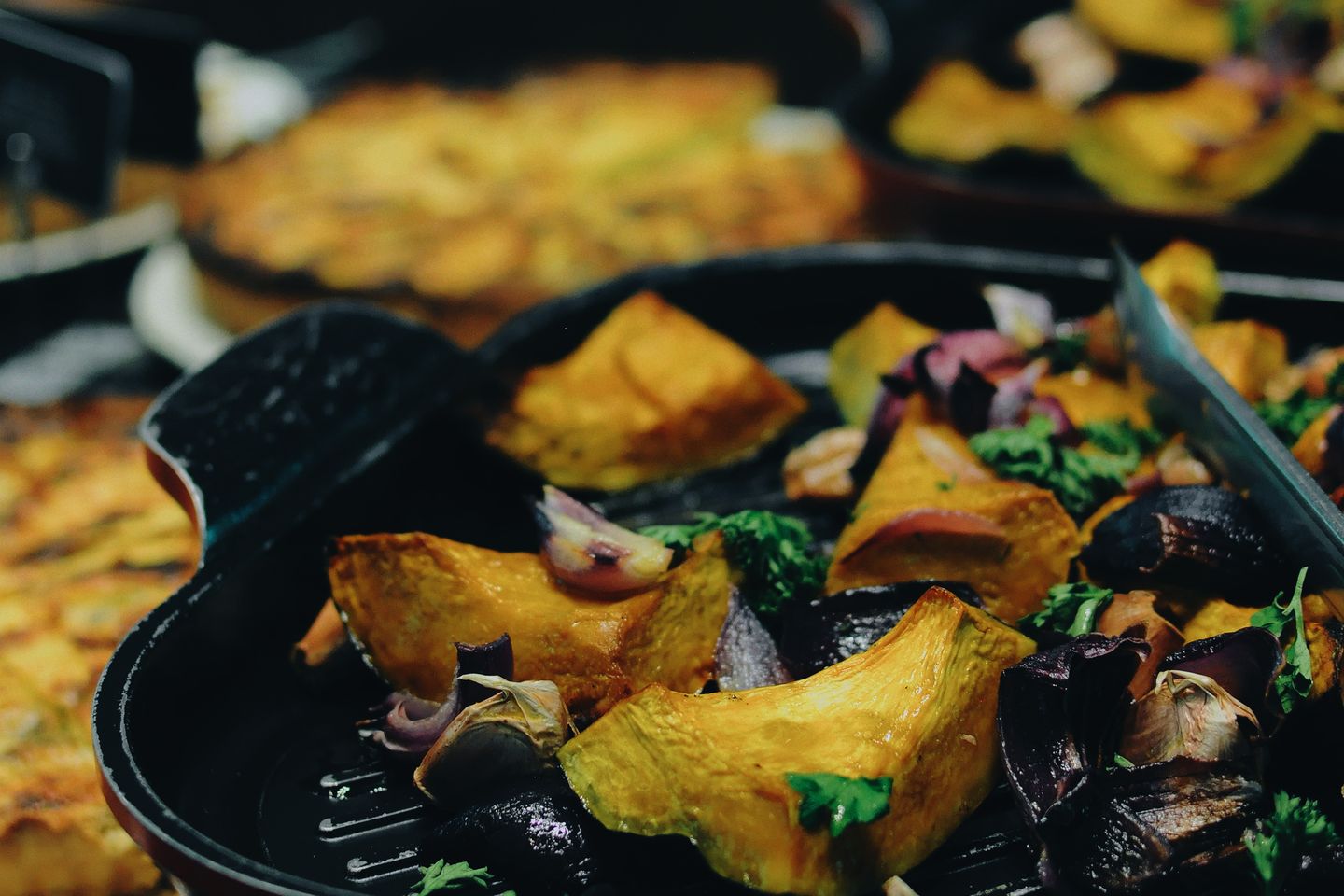
Start with moderate heat if you need several minutes to soften something without scorching the edges. Allow more heat at the surface when you want color on a piece of food that can finish cooking quickly. For an ingredient that needs both color and time, work in phases. Brown a few faces first, then reduce the heat and let the inside soften. With thick zucchini wedges, for example, the cut faces can turn golden while the middle is still firm. Turning them down and giving them time is easier than trying to get a deep color and a tender center in the same instant.
The thickness of a skillet changes how you make those adjustments. A heavy base can retain heat when you add food, which is convenient when you want a quick sear. It also remains hot when you turn the burner down. A lighter skillet often responds faster, and the surface may cool more when a large quantity of food arrives. Pay attention to the effects in front of you, especially when you switch to a pan you rarely use.
Oil gives you an early reading
Keep a spatula and a plate near the stove before preheating. Use an oil suited to the cooking temperature. For a moderate sauté, a thin layer of oil added to a gently warming skillet gives you a way to watch the change. Cool oil moves slowly when you tip the pan. Warmer oil runs more readily and may show ripples under the light. The light matters because an oil that appears still from one angle can show movement when viewed from the side.
There is no need to take the oil to the point of smoking to find out if the pan is hot. If it smokes, take the skillet off the heat and let it cool before deciding what to do. Follow the manufacturer's heat guidance for your pan, especially with a nonstick coating. Butter offers a different set of clues. It melts, foams and eventually develops brown flecks. For gently scrambled eggs, butter melting and bubbling softly is enough. If it is already deeply browned before the eggs go in, the pan is warmer than that job needs.
One piece of the food you intend to cook is often a more reliable test than a minute on a timer. A dry edge of onion gives a little buzz when it touches warm oil. A strong, immediate crackle suggests the pan is ready for a more aggressive sauté. Very wet ingredients can cause splatter, so pat excess moisture away first and lower food into the skillet with care. Once you have the reaction you want, add the rest in a layer that leaves some metal visible.
Listen for the second change
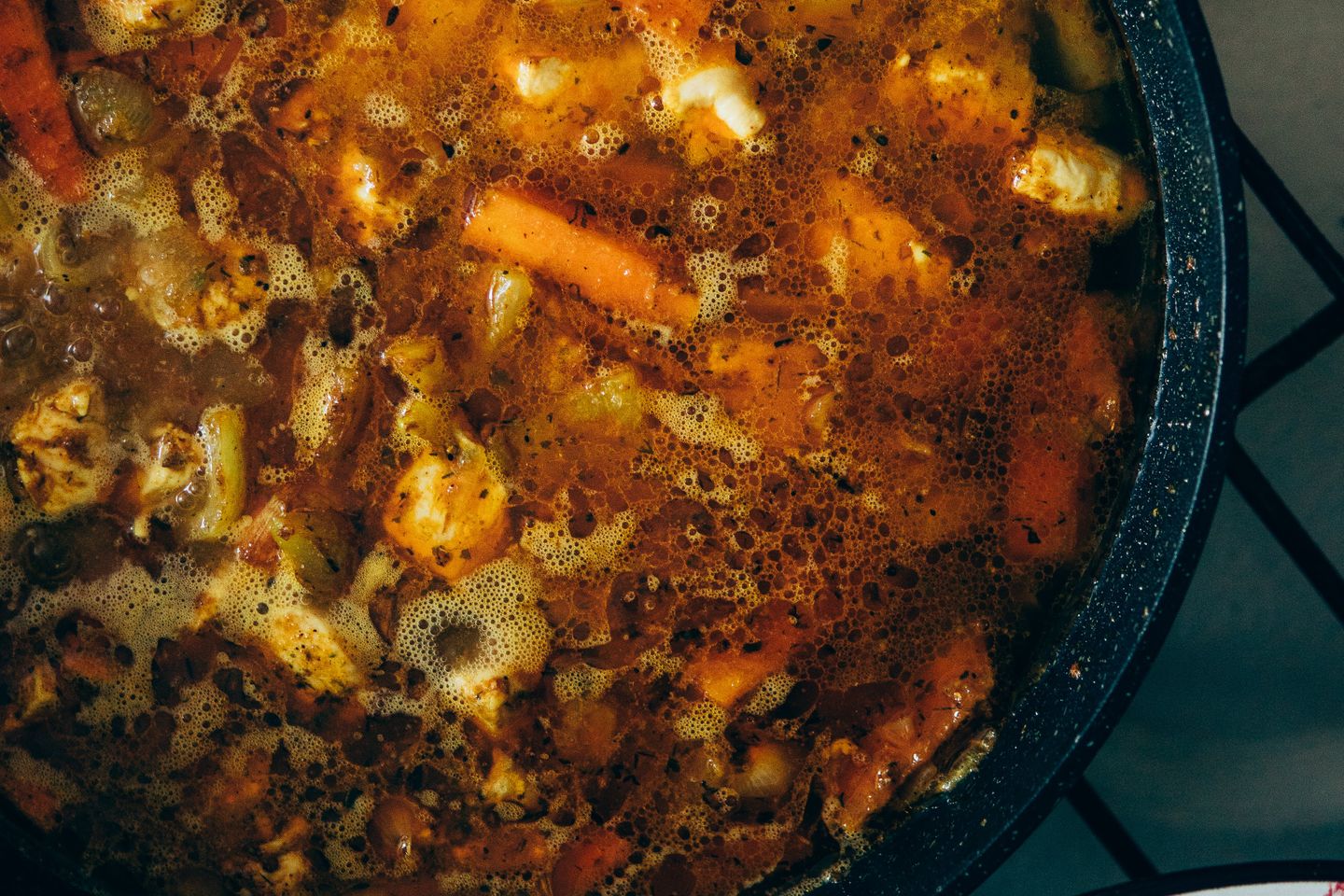
The first sizzle tells you what happened when a cool piece of food reached the pan. The next change tells you whether the pan can keep up. An overloaded skillet often starts with a sizzle and then falls quiet. Food in contact with the pan gives off water, and soon the gaps fill with liquid. The contents can still cook and become tender, but they will take on much less color while they sit in liquid. If your intention is browned mushrooms for a sandwich, give the steam somewhere to go and avoid piling the slices in the middle.
When a batch is already crowded, tilt the handle just far enough to see whether there is a watery pool around the food. If there is, you can cook uncovered until it evaporates, or move part of the food to a plate and return it later. If the pan is dry but cool and quiet, give it time to recover at moderate heat. Moving the spatula through it constantly can keep any individual face from staying in contact with the metal long enough to color. Spread the slices, pause and watch one edge.
A sharp hiss that never settles is information too. If the food has picked up the color you wanted and the bare patches of pan are growing darker, lower the heat. Moving a heavy skillet partway off the burner or lifting it off briefly can slow the cooking sooner than changing the dial. With an electric burner that holds residual heat, a second cool burner makes a convenient landing place. Keep pan handles turned away from traffic.
Learn when to leave the spatula alone
A wide spatula invites you to check every piece, but browning takes place at the surface where food and pan meet. This is easiest to see with a slice of potato. If you turn it often from the beginning, each face has spent only short stretches against the skillet. A well-spaced slice left in one place gives you a clearer result. The outside of the slice can start to look drier and the contact edge can develop a thin golden line. Lift a single piece to check. If it needs more color, lay it back down on the same side.
Food can stick temporarily to a metal pan as it cooks. A thin crust often makes a piece easier to lift, although a dry pan, a sugary coating or a damaged surface can cause different kinds of sticking. Test with a gentle push before forcing the spatula underneath. If a piece is beginning to scorch and is firmly attached, reduce the heat and give it a little time to loosen before scraping. For potatoes, steaming or simmering them until almost tender before drying and browning the pieces is one way to shorten the time they spend in the skillet.
Continuous stirring does have its place. Finely chopped garlic can brown rapidly, so you can add it after the larger vegetables have softened and keep it moving for the brief period it needs. Scrambled eggs call for deliberate movement that lifts the setting curds off the metal. A minute at the stove can have a long pause for browning a wedge, followed by a few seconds of close work when you add the smallest ingredients.
Watch what stays behind
A skillet tells a story after you take the food out. Light brown patches on a stainless steel surface can contribute flavor to a sauce. Rub a little liquid across them with a wooden spatula after the pan has cooled slightly, then taste what dissolves. Water works for seeing the effect. Stock can turn it into a thin spoon sauce. Add only a modest amount and stand back from the steam when you pour. Deep black residue that smells acrid is worth wiping away once the pan is safe to handle. It will give the next round a harsh taste.
Bits left over from the first batch are easy to miss because attention follows the food to the plate. If small crumbs turn dark at the edge while the skillet sits empty, they can start to smoke before the next batch is done. Take a moment to inspect the bare surface. Remove burnt particles safely, let the pan settle if it has overheated, then add a fresh film of oil if the next food needs it. The second batch commonly starts hotter because the pan is already warm throughout. Give the first piece a quick listen again.
You can use the residual heat on purpose at the end. A handful of chopped herbs warms enough in a turned-off skillet to release its aroma. A few drops of lemon juice or a small knob of butter can coat vegetables after the burner is off. When the heat is holding on longer than you need, moving the food to a room-temperature dish is the surest way to slow it down.
A small exercise with a big payoff
Buy one zucchini and cut it into slices of equal thickness. Dry the slices and set aside two equal groups. Warm the pan with a film of oil and cook the first group in a single layer. Write down how long it takes for one face to color and what the pan sounded like along the way. Put the slices onto a plate. Let the skillet cool to a similar starting point before making the second group, then change one thing. Try slightly lower heat and a longer wait before turning. Keep the size of the slices and the number in the skillet the same.
Taste the two groups warm and again after they have sat a few minutes. You may like a soft slice for a grain bowl and a firmer, darker slice for a sandwich. If both groups were pale, use fewer slices per batch next time. If the oil grew dark before the slices colored, inspect the pan for leftover particles and bring the starting heat down. You can learn more from a second attempt at the same vegetable than from a week of recipes in which the pan and ingredients change every day.
Eventually these observations fit into the ordinary work of making dinner. You turn a burner down when the sizzling oil suddenly goes still around a dry patch. You hold off adding another handful of greens because there is a layer of water across the base. You move the first batch away from the stove and notice that the skillet still has some work to do. The dial remains a way to ask for more or less heat. The pan tells you when it is time to ask.