The Quiet Work of Rinsing Rice
Compare two small batches from one bag and learn how rinsing, draining and the choice of rice affect the texture you get.
8 min read
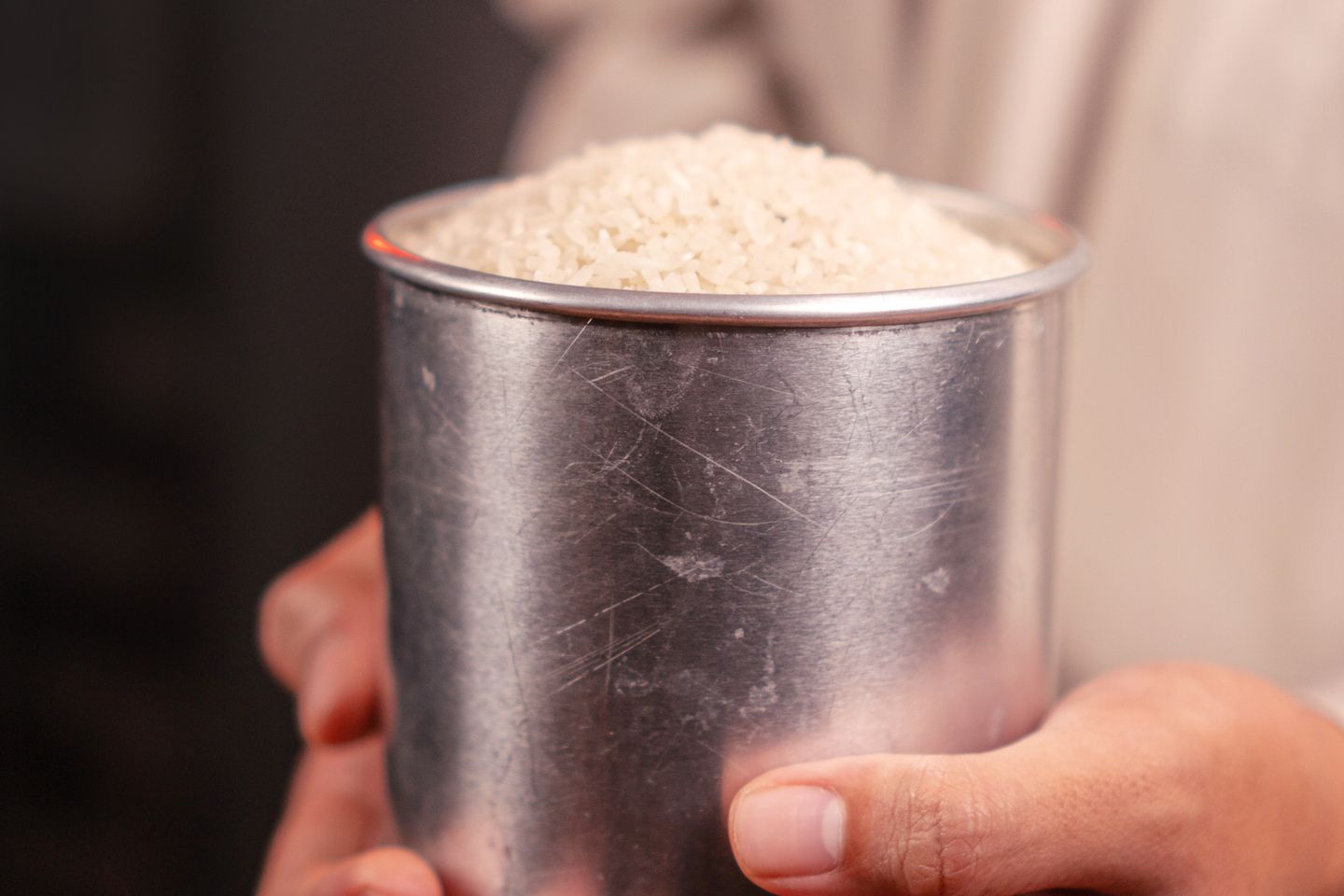
Rice water begins clear and can turn the color of weak milk within a few strokes of the hand. That visible change gives the cook something to do before the heat goes on, but it can also make the preparation seem more exacting than it needs to be. What shade of water is clear enough? Does the tenth change of water make any difference? The answers depend on the rice, the dish and whether the cooking water is going to stay in the pot.
A useful way to settle the question for one bag of rice is to cook it two ways. Use one preparation as the reference and rinse the second batch carefully. Keep the rice itself, the cookware and the cooking method as consistent as you can. Taste before seasoning and write down the difference. The result is more valuable than a universal rule because it tells you what happens with the rice you actually have and the dishes you want to make.
Decide what kind of grain you want on the plate
For a pile of long-grain rice under a spoonful of vegetables, the grains may need to stay distinct enough that the sauce can run between them. Rinsing can remove some of the loose starch on the surface and help you get that effect. A bowl of short-grain rice often has a different job. The grains can be glossy and hold together lightly in a mouthful. They can still benefit from rinsing, but rinsing does not give the rice the characteristics of a long-grain variety. Judge each cooked batch against the texture the dish needs.
Risotto is a reason to leave a bag alone. The cook usually wants the rice to contribute starch to the liquid as it cooks, so a recipe may start with dry unrinsed rice. If you rinse out of habit and then put the damp grains into fat, the added moisture also changes how they behave during the initial stage. Follow the method for the particular dish. When directions on the bag say to avoid rinsing enriched rice, follow them. Read the instructions on a new package even if the previous rice looked much the same.
It also helps to distinguish washing and soaking. A brief wash moves water around the outside of the grain and ends with draining. A soak leaves the grains in water long enough to take up more of it. If a recipe calls for both, the order and the amount of water may matter. An unplanned fifteen-minute rest in a full bowl is another change in your experiment. Keep the wash quick if washing is the only thing you want to test.
Use a bowl that makes the work easy
Measure the dry rice before it gets wet. A wide bowl gives you enough room to move the grains with a few fingers. Add cool water, stir gently and watch it change. Pour the water off through a fine sieve set over the sink. If you pour straight out of the bowl, a few grains can follow the stream before you realize how far you have tilted it. Catch them and return them to the bowl before the next wash. Start with a larger bowl if the stream is difficult to control.
A sieve on its own also works, especially for a small amount. Shake or turn the rice gently under a modest flow of water so the middle of the pile receives some attention. With a bowl, you can compare one change of water with the next and stop the tap between fills. Use enough water for the grains to move freely without giving yourself a full mixing bowl to tip. Rough rubbing is unnecessary. It may break some grains, and fragments cook faster than whole grains and contribute starch of their own.
Stop after a few changes, when the water is substantially less cloudy than it was at the start. Perfect transparency is an awkward target because rice varies, and the depth and color of the bowl affect what you see. Put a white spoon into the water and see whether its outline is easier to make out than it was during the first wash. Aim for a repeatable method you can remember. Three changes with gentle stirring and a consistent drain tell you more than a different stopping point every time.
The water you leave behind counts
After rinsing, give the grains a chance to drain. Hold the sieve over the bowl or sink, then tip the rice into the pot when it is no longer dripping freely. A few drops will remain. With a tiny batch, a small amount of additional water can matter more than it would in a large pot. If your recipe specifies water for drained rice, follow it and drain the rice in the same way each time. When the recipe gives no direction, note your method before adjusting the ratio on the next attempt.
One way to see the effect is to weigh the same rice before and after rinsing and draining. Dry the outside of the bowl first, and use the same bowl or account for the difference in its weight. The change includes water on the surface and some water taken up by the grains. You can use that number as an indication of how consistent your draining is from batch to batch. It cannot tell you precisely how much of the water will be available immediately in the pot, so treat it as a diagnostic rather than a complete cooking formula.
If you normally make rice in a cooker, the marked water lines may assume a particular measuring cup and preparation. Start with the appliance's instructions. If you cook in a saucepan, check how well its lid fits and how low the burner can hold a gentle simmer. A wide, poorly covered pan may lose more water than a smaller covered one. A change that seems to come from rinsing may really come from switching pans or lifting the lid twice to see what is happening.
Set up two small batches
Choose a bag of plain long-grain rice and use equal amounts for each batch. Keep the two portions near the same starting temperature. Leave one dry. Rinse the other, drain it and cook both according to the appropriate instructions for the rice and the cookware. Where the directions give the same water amount regardless of preparation, use it as the starting point and note that the rinsed portion will carry a little extra moisture. Use identical saucepans if you have them. If you only have one, cook the batches one after the other and let the pot return to the same starting condition.
Fluff and taste the batches after equal covered rests. Look at the thin layer of rice near the top, then at the part near the bottom. Do individual grains separate easily when lifted with a fork? Can you see a paste where grains touched the side of the pot? Bite a few grains from each batch. Some of the texture you sense comes from the outside of a grain and some from whether the middle is fully cooked. Separate those observations before deciding what the wash changed.
Finally, try both with whatever was meant to go over the rice. A spoonful of a broth can make a mildly cohesive rice feel pleasantly soft. A thick sauce may sit on top of a clump and work better with a looser batch. The appearance of the unseasoned grains is only one part of deciding what to do. Taste two bites from the finished plate and save the description that will be useful next time.
Fix the problem you actually observed
Grains sticking to each other, grains stuck to the bottom and grains that feel hard inside can come from different parts of the process. A pot that scorched underneath may have held too much heat after the water came to a boil. A hard center can point to insufficient cooking time or available water. A gummy layer around otherwise cooked grains could come from surface starch, too much water or stirring the rice repeatedly once it is hot. If you change all of those things together, you will have trouble knowing why the next batch improved.
Use one adjustment. When the texture of the individual grains was good but they clung together heavily, compare a brief rinse with your usual method. When the rinsed rice was tender but too wet, keep the wash and try a more consistent drain before altering the amount you pour in. When the grains on the bottom cooked differently from the ones on top, focus on the pan and burner. Write the observation near the instructions on the bag or in a short note you can find again.
Eventually you may keep two methods for the same rice. One may be the simple covered pot you make to accompany a thin stew. Another may be the rinsed and drained version you prefer under vegetables and a thick sauce. The bowl of cloudy water is useful because it shows a change at the start of cooking. The decision about whether that change belongs in the method is made later, when you can put a spoonful of the finished rice on the plate.