A Useful Pot of Vegetable Stock
Make a clear, flexible stock with the vegetables you are likely to have, and decide what each batch is for before adding anything strong.
8 min read
A pot of vegetable stock can have very little color and still improve a soup. It supplies the flavor underneath the ingredients that will be cooked later. The stock can be gentle enough that a bowl of peas still tastes mainly of peas, yet strong enough to make the soup feel finished. The same pot can moisten a pan of beans, extend a tomato sauce or cook a portion of barley. Make one good general batch before making a second with a more specialized purpose.
Start by deciding how you expect to use it. If the pot will supply several dishes, a light combination of onion, carrot and celery is a sensible place to begin. Mushrooms can give a deeper flavor when you already know the stock is going into a brown sauce or a pot of lentils. A little fresh herb can carry surprisingly far in a clear soup. Reserve the most distinctive ingredients for the batch that actually needs them.
Keep only trimmings you would put on a plate
Stock can use parts of vegetables that do not fit a particular recipe. The leaves at the center of celery are fragrant. A sound carrot that is too irregular to cut into neat sticks can go into a pot in chunks. A firm green part of a leek can be useful once you have split and rinsed away grit between its layers. Wash the vegetables before trimming them for stock, and set aside clean pieces with a clear purpose. Remove anything spoiled.
A bag of frozen trimmings is practical when it contains things you recognize and expect to use together. Label it, keep the pieces frozen until you cook them and try to build a balance over a few meals. When there are several onion ends and almost nothing else, add a fresh carrot or a stalk of celery when you make the stock. There is no obligation to empty the bag into one pot. A small amount of onion peel can add color, and a pot filled with peel can become much darker and more assertive than the soup you meant to make.
Some clean pieces are better saved for another use. Potato trimmings can release starch and cloud a stock that you want clear. Brassicas such as cabbage and broccoli have a strong character that can dominate the rest. Beet trimmings can change the color of a delicate soup. These vegetables can be excellent in finished dishes. For a flexible stock, let the planned use govern what you put in. If a sharp or earthy stock would suit the dish, keep one of the stronger ingredients in the foreground on purpose.
Use enough water to give the vegetables room
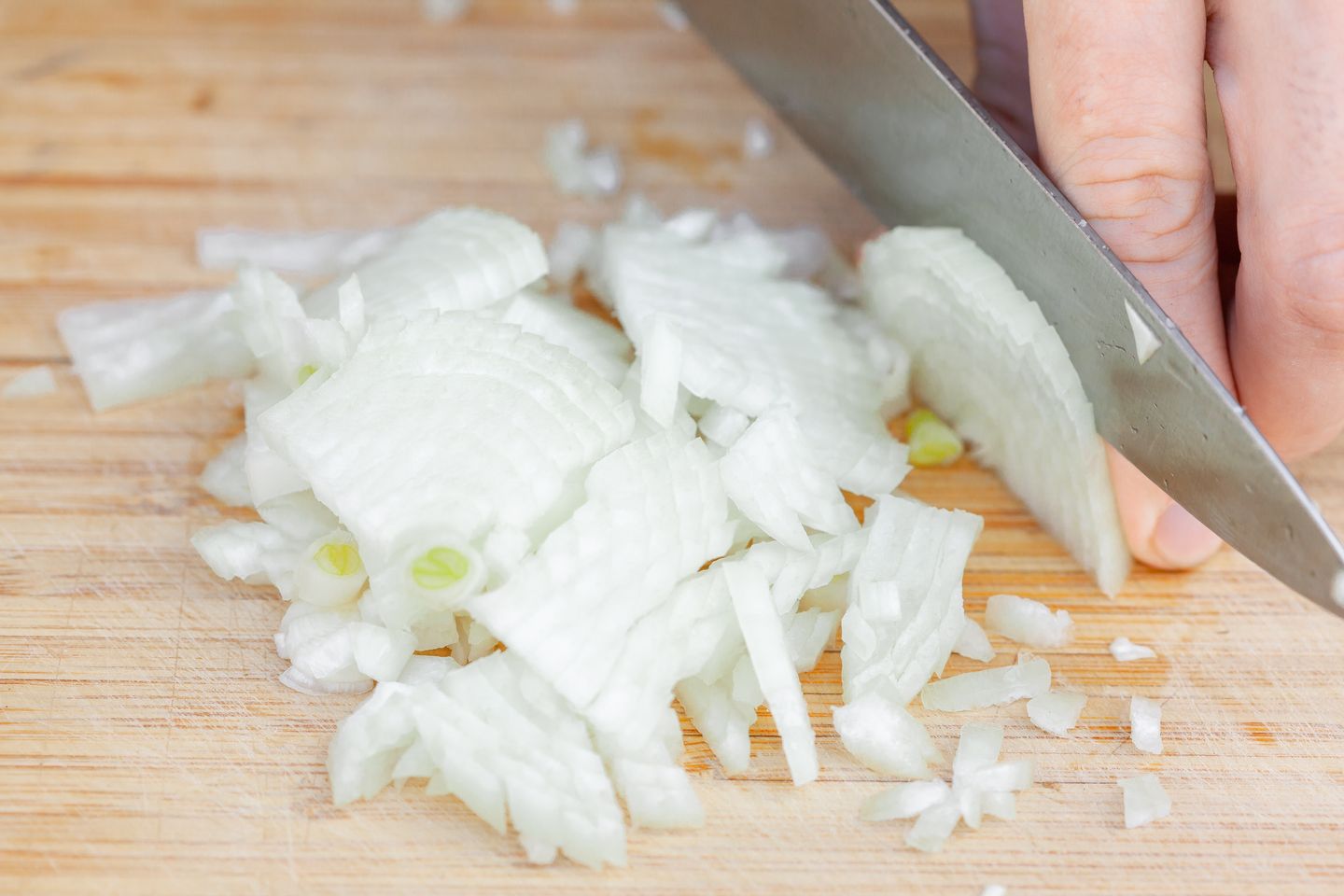
For a modest first batch, roughly chop one medium onion, two carrots and two celery stalks. Put them in a saucepan with about six cups of cold water. You should have enough water to cover them and enough room above it for a gentle simmer. Add a few parsley stems if you have them and want a little fresh flavor. Leave salt out for now if you plan to reduce the stock or use it in dishes with other salty ingredients.
The size of the vegetable pieces changes the way the pot cooks. Small pieces expose more cut surface, and tiny bits are awkward to strain. Large rough chunks give you room to simmer them gently and lift most of them out at the end. If a piece of celery is long enough to rest above the liquid, break it in half. Onions can fall apart into layers as they soften. Leave the root behind when you trim them if it makes the layers easier to separate and rinse.
For a clearer or lighter stock, put the vegetables straight into the water. For a rounder flavor, sweat the onion and celery gently in a little oil until they start to soften before adding water. For a darker pot, use a few browned mushroom pieces or roast some of the vegetables first. A browned batch can be very good for a pan sauce. Choose it when its color and flavor have a place in the finished dish. A light batch is easier to use when you have no plan beyond making soup later in the week.
Listen for a gentle simmer
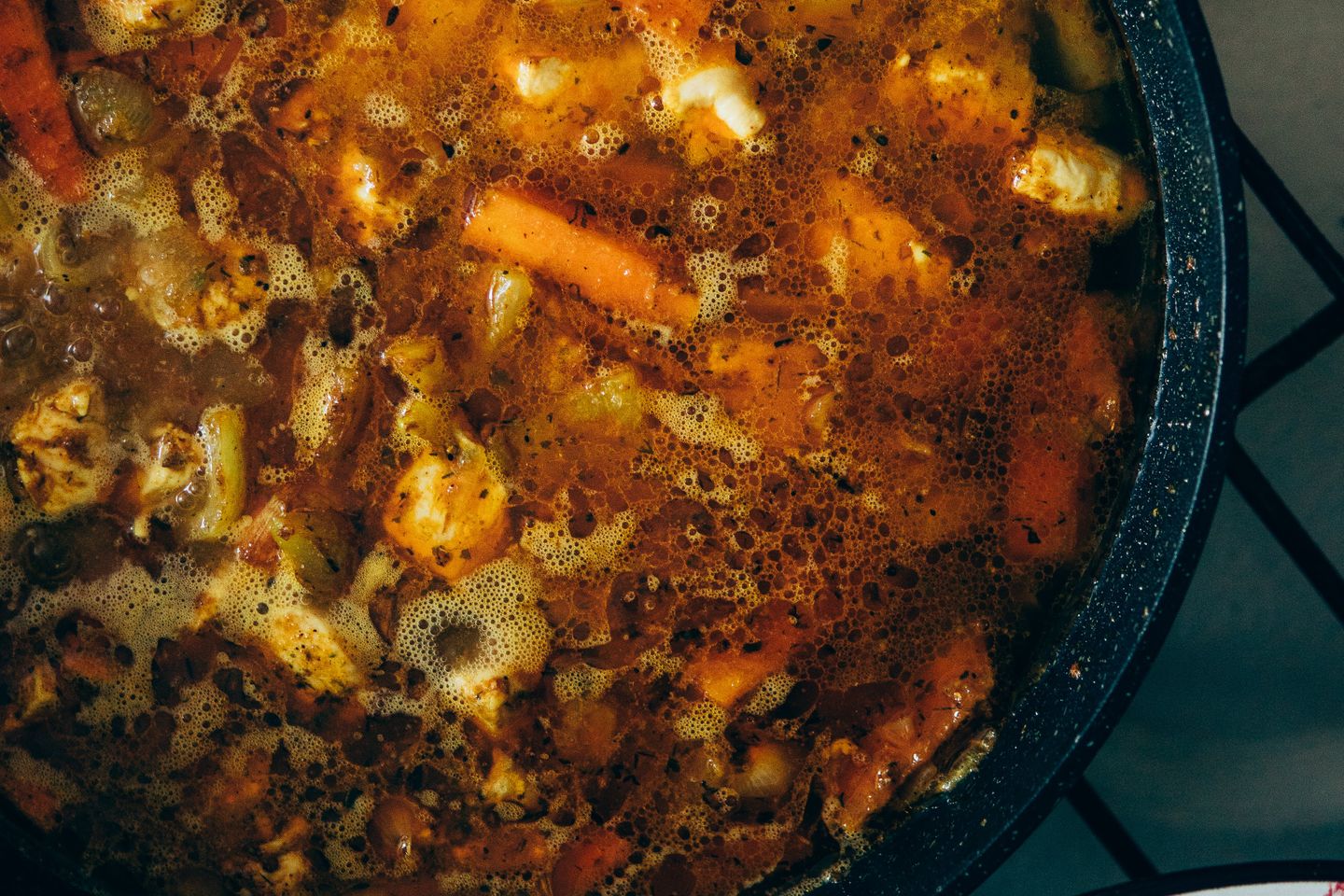
Bring the pot up until bubbles begin to break the surface, then lower the heat. The surface should move a little, with occasional bubbles rising among the vegetables. A strong boil evaporates water quickly and rolls the pieces against one another. You may want a vigorous boil at another stage when you deliberately reduce a strained liquid. While the vegetables are still in the pot, steady mild heat gives you more control over how quickly the liquid changes.
Taste after about half an hour. Put a spoonful on a cool dish so you can taste without burning your mouth. The first impression may be mild, especially if you have left out salt. Try a separate spoonful with a tiny pinch of salt before deciding that the whole pot is too weak. It may have plenty of vegetable flavor that becomes easier to identify with a little seasoning. Leave the pot unsalted if the sample has the depth you need. You can season the finished dish in stages.
A batch that tastes thin can simmer a little longer. If the vegetables have already given up what you want, strain first and reduce the liquid on its own. Taste again after a small amount has evaporated. A stock that sits too long with strong ingredients can come to taste of one thing. If you added dried mushrooms and the aroma is as strong as you want, remove them before working on the strength of the liquid. If the stock has already become more concentrated than you planned, water can make it useful for a gentler dish.
Strain according to what the stock will become
Turn the burner off and wait for the surface to settle. Scoop the large pieces into a separate bowl, then ladle or pour the liquid carefully through a strainer into a clean heatproof container. Choose fine mesh for a clear broth. When the stock is going into a blended soup, a small soft fleck of carrot or celery will make little difference. Work with the pot where you can lift and tip it comfortably. Several ladlefuls are easier to control than a heavy saucepan full of hot liquid.
Taste the cooked vegetables before deciding what to do with them if they are suitable to eat. A carrot can still have enough sweetness to mash into a soup even when its texture has lost some appeal. Other pieces may be pale and tired because they have given much of their flavor to the liquid. Keep the ones you can use in a dish right away or cool and store them safely. The stock does not need to serve every possible purpose in one afternoon.
Once you have measured what the pot yielded, think about portions. A saucepan of soup may need several cups. A pan sauce or a bowl of cooked grains may need only part of that. If you will save some of the stock, divide it into shallow containers and chill it promptly. USDA guidance gives refrigerated leftovers three to four days at 40°F or below, or advises freezing for longer storage. Date frozen portions and leave room for the liquid to expand in containers intended for freezing. USDA leftovers guidance
Keep a few portions smaller than a full cup if you often cook for one. You can thaw only what you need when a pan of beans begins to look dry. Mark a concentrated batch as such before you put it away. The label is useful when the liquid is frozen, since a dark block from roasted vegetables can look much like a block of deeply reduced stock until it melts.
Use the first cup where it makes a difference
Cook a small bowl of barley or make a quick soup with greens and beans to see how the stock behaves as part of a finished dish. If it seems too assertive for a delicate grain, mix it with water when you use it again. If it is mild, give it a job where there is already something flavorful in the pan. A few browned pieces of onion and a cup of stock can make a spoonable liquid under roasted vegetables without requiring a separate sauce recipe.
In a skillet, a small quantity can loosen brown residue left by cooked vegetables and carry it into a sauce. Take the pan off the highest heat before adding liquid, and stand clear of rising steam. Stir as the stock comes back to a simmer and taste when it has reduced slightly. It will need less salt if the original food was already well seasoned. A squeeze of lemon or a spoonful of butter may be all the sauce needs after you taste it.
Keep a short note about the batch with the date and the main vegetables. If a soup turned out especially well, you will know whether you began with a light pot, browned vegetables or mushrooms. When a different bag of trimmings turns up in the freezer, you can make another good stock without trying to reproduce the first one. You are after a useful cooking liquid with a character you understand. The work pays off the next time a pan needs one good cup and you already know what that cup tastes like.