Getting an Even Dice from an Avocado
Use a spoon, a board and a ripe avocado to make pieces that stay distinct through one good toss.
8 min read
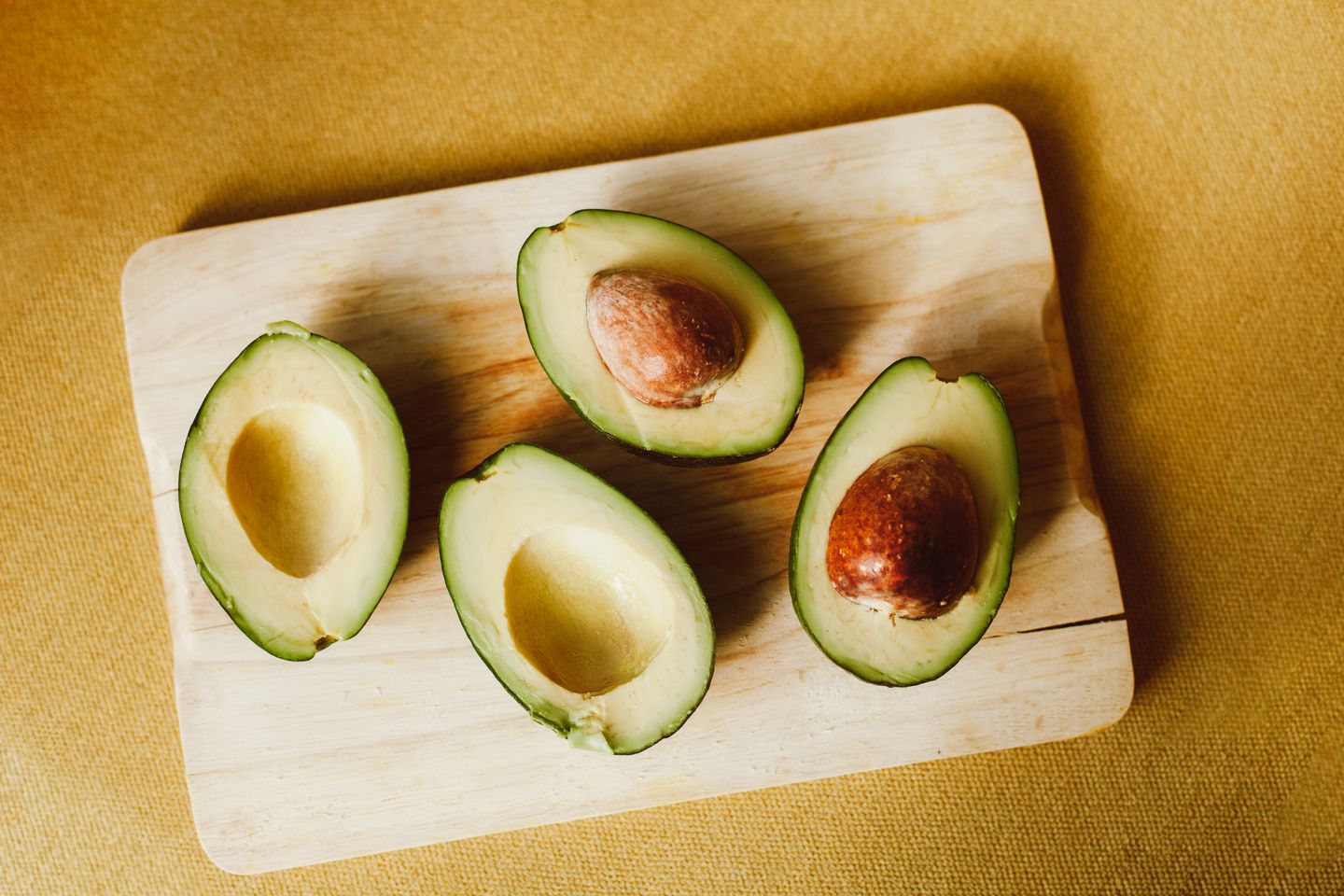
The first part of dicing an avocado goes quickly. By the time the last pieces reach the bowl, the knife has acquired a soft green layer and the most delicate corners have begun to disappear. If the avocado is going to be mashed onto toast, there is no problem. If you want small pieces to sit between tomato and cucumber, the difference will show up in every spoonful. The fruit has to be ripe enough to eat and firm enough to handle. Then it needs to be moved less than you might expect.
An even dice does not have to look machined. The avocado's outer curve will always make some pieces with slanted sides. What matters is that most pieces occupy about the same amount of a bite, and that their cut surfaces do not get mashed before serving. Treat the center and the tapered ends differently if you want a particularly tidy result. One ripe fruit gives you enough to practice without requiring a party to eat the outcome.
Find the ripeness you need for pieces
For a clean cut, look for slight give under gentle pressure when you cradle the fruit. Avoid testing by pushing repeatedly with a fingertip, which can damage the flesh under the skin. Skin color can help for some varieties and is less useful for others. An avocado that feels rigid may be difficult to scoop and unpleasantly firm to eat. A fruit that feels soft across most of its surface is often better for a dish where you intend to mash it. A slight variation around the shoulder can be a sign to look carefully once you open it.
If you have time to plan, buy fruit at more than one degree of ripeness and open the one that suits that day's meal. Keep an unripe avocado where you can remember to check it. If a fruit reaches the firmness you want before you are ready to use it, refrigerating the whole fruit can slow further softening. Once it is cut, look at the flesh before committing it to a particular dish. If it smells unpleasant, looks spoiled or has an objectionable texture, choose another fruit.
Slightly soft flesh near one end may still be good for a spread when the rest is firm enough for dice. Scoop and separate the soft part at the beginning. You will get a more even bowl by using each part according to how it behaves. In a salad, a very soft spoonful can be mashed into a dressing. A handful of firmer pieces can go onto the salad after the dressing is mixed.
Put the knife down before the pit comes out
Wash the avocado under running water before cutting it, even though you will discard the skin. Dry it so it will sit more securely. Use a stable board and a sharp knife you can control. Put the avocado on the board and cut down gently until you meet the pit. Turn the fruit as needed on the board, keeping your hand away from the blade's path, and continue the cut lengthwise around the pit. Put the knife aside before you twist the two halves apart. FDA guidance on washing produce
Set the half that holds the pit on the board. Use a spoon to ease the pit out from the side. If it is stubborn, use the spoon to divide that half into two sections around the pit and remove it once you can get behind it. A section cut in two is still useful. Avoid striking the pit with the knife or trying to lever it free with the knife tip. A slippery half held in the palm gives a blade very little margin.
Choose a spoon with a bowl large enough to follow the curve of the flesh. Start near one end, pressing gently between the skin and the flesh. Move the spoon around the edge before trying to lift the center. A slightly firm avocado may peel neatly from a quarter instead. Set the piece on the board and draw the skin away. If the peel clings to a corner, use the spoon to separate it instead of pulling on the flesh. Wash and dry the board if it has collected bits of peel that could cling to the diced pieces.
Make the cuts where you can see them
Turn a scooped half so the flat face is on the board. Put the wide end to the side and slice the avocado into strips of the approximate width you want. Keep a little space between the rows if the flesh feels particularly soft. A very ripe avocado can pull along with the blade, so wipe the blade as needed and let each cut reach the board before moving to the next one. Gentle cuts with a sharp blade do less damage than leaning heavily on a dull knife.
For a large dice, cut across the strips where they lie, working in a small group if they start to shift. For a smaller dice, first turn any very thick strip onto its broadest face and split it into two layers. Then make the crosswise cuts. The portion around the pit may already be thinner than the rounded shoulder. Let that change guide which pieces you split. If the layers are too soft to stack, cut them one at a time. The extra pass is short and gives you a better view.
Pick a size for how the avocado will be eaten. A small dice suits a salsa that will be spooned onto chips or tucked into a narrow fold of bread. Larger pieces hold their character in a salad with beans or grains. A medium dice is good when people will eat a dish with a fork and there are other ingredients of a similar size. For a bowl with several textures, cut the avocado just large enough that it stays noticeable after the first gentle toss.
Move the pieces once
Set the serving bowl close to the board. Slide a bench scraper or broad spatula under part of the dice and lift it gently. Use a wide spoon to scoop if that is what you have. Pulling the pieces into a tight mound with the edge of the knife can damage the very corners you just cut. Use two trips for a full avocado. Give each group somewhere to land without dropping it from a height.
Season for the finished dish. A little lime or lemon juice can add flavor and help slow surface browning, though it also makes the avocado taste more acidic. If the other ingredients already have a sharp dressing, keep the avocado lightly seasoned and fold it in at the end. If the pieces are going to sit on warm toast or over a bowl of soup, a few grains of salt added at serving may be enough. Sprinkle lightly and taste before adding more.
For a salad that needs mixing, combine the other ingredients first and check their seasoning. Scatter the avocado over the bowl, reach down with a broad spoon and lift one section of salad over the next. Do this a few times rather than stirring rapidly. Some pieces will find their way through the mixture without any further effort. Keep a few for the top if the appearance matters, especially when the bowl will be carried to another room. The pieces on top also give you a clear look at how the cut held up.
Save the curves for a second texture
An avocado's narrow end usually yields short wedges. The edge near the skin can produce a few pieces with thin corners. These are welcome in a bowl meant to be eaten right away. If you want a neater dice for a plate, put the odd pieces in a second dish and mash them with the spoon you used for scooping. A little mashed avocado can act as a soft base under the dice on toast. The cut pieces then stay in place more easily than they would on the dry surface.
Consider using the two halves at different moments. Serve one half sliced and the other diced, or make only what you need and promptly refrigerate a remaining cut portion in a covered container. When appearance matters, delay cutting until the rest of the dish is ready. In the meantime, you can measure the other ingredients, assemble the dressing or slice the bread. Preparing the avocado last gives you a little more control over both color and texture.
A cut that becomes rough halfway through is an invitation to change plans. If the first half slices cleanly and the second half slumps when it comes away from the skin, use the second half as a spread instead. If the fruit is unusually firm, taste one piece to see whether the texture is pleasant. There is little point making a beautiful dice from a fruit you would rather leave on the plate.
Look at the finished bowl after serving yourself once. If the avocado clings in one big clump, cut a little larger next time or fold it in later. If the pieces are hard to find among the other food, set a few aside and add them to each serving individually. When you can lift a piece with the rest of the bite and still see its edges, the cut has done what you needed. The next fruit can be smaller, riper or shaped quite differently, and you will still know where to begin.