What a Potluck Table Asks of Us
A shared meal starts to work when every dish arrives with enough information, a way to serve it and a place to go at the end of the night.
8 min read
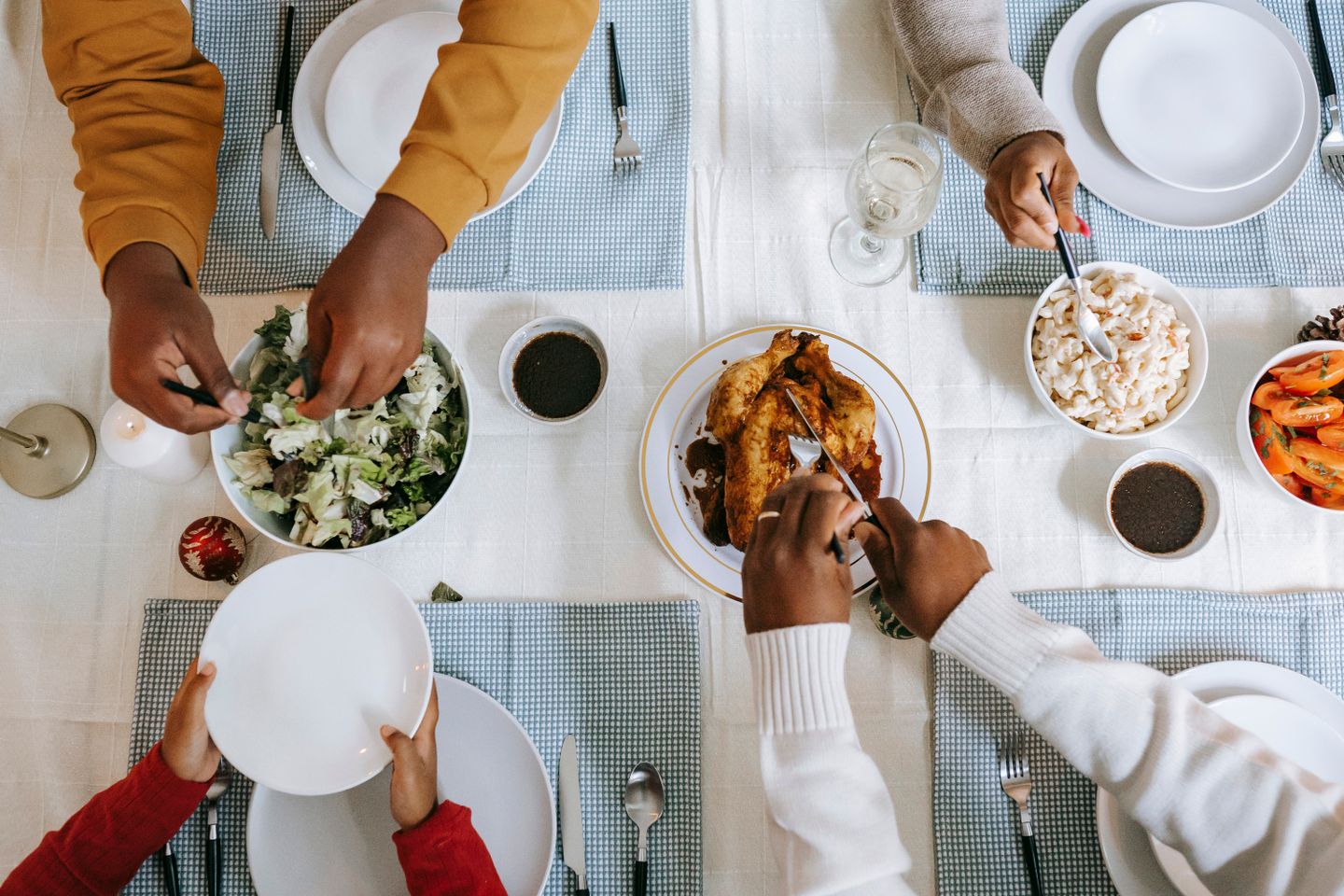
At a potluck, a bowl can arrive with a recipe that took all afternoon and still make the evening harder. The person holding it may need an oven that is already occupied. A deep dish that looks generous may have a narrow opening that none of the available spoons can reach. A platter of carefully arranged pastries can end up behind the salad, where guests have to reach across a wet bowl to take one. A meal built by many households has a few extra problems because each household planned its part alone.
The charm of the table comes from the same arrangement. A dish turns up because somebody felt like making it, had an herb to use or learned it from the person who will be sitting next to them. People eat combinations they would never make at home. The host can preserve that freedom by coordinating the things that everyone needs to know, then letting the cooks make their own decisions.
Give people a job they can picture
A request to bring a side dish leaves a lot of room for interpretation. One guest may bring half a tray of potatoes. Another may bring enough salad for everybody, believing that each dish needs to feed the whole group. The result can be a crowded table and a fridge full of food after the gathering. A head count helps, but it helps more when the host describes the rest of the meal. Twelve people eating three or four accompaniments need smaller portions of each than twelve people eating one accompaniment.
A host can make requests about how food behaves as well as how it tastes. If the main dish will occupy the oven, ask for a salad or dessert that can be served without reheating. If the meal will be eaten away from a table, someone can volunteer a dish that is easy to eat with one hand or a fork. If the host has little cold storage, guests can coordinate who has room for a cooler. The invitation becomes more specific without turning into an assignment to cook one exact recipe.
Leave a few jobs open to people who would rather buy something on the way. Fruit, rolls, drinks or ice can be important contributions. So can bringing a stack of plates or being the person who arrives early to lay out the utensils. Treat these as ordinary parts of the shared meal. When every contribution is expected to involve cooking, a party with too much food can still be short of the things needed to eat it.
Choose the dish with the journey in mind
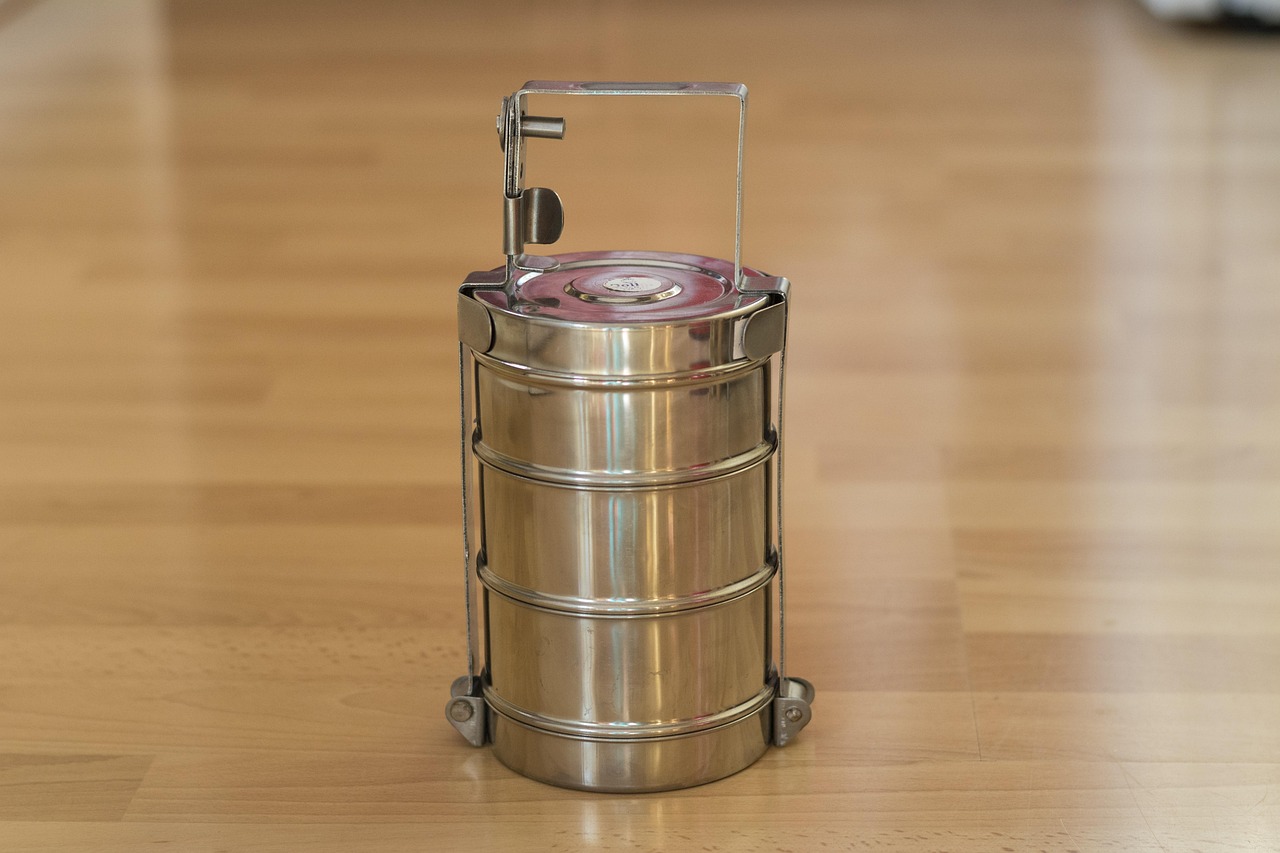
Picture where the dish will sit during the trip. It needs a container that stays level, a way to cover the food and enough headroom for whatever you put on top. A stacked cake can travel in pieces and be assembled when you arrive if the host has cleared a little counter space. An uneven sidewalk can mix dressing into delicate leaves long before the first serving. A sturdy salad of shredded vegetables may take that same trip quite happily. Serve anything with a soft finish, brittle garnish or crisp crust in a way that protects the part you worked hardest to get right.
Even a short trip is easier when the serving tool travels with the food. Put a spoon or pair of tongs in a separate clean bag and attach it to the carrier or keep both in the same tote. Match the tool to the portion. A small spoon gets through a narrow opening, but a wide shallow spoon does a better job of lifting a soft wedge. A knife that can divide a pie and a server that can lift the slice may both be needed. If you expect the host to supply something, ask while they still have time to find it.
Plan how chilled and hot dishes will stay at an appropriate temperature through travel and service. Ask ahead about space and equipment. For household gatherings, USDA guidance calls for holding hot foods at 140°F or above and cold foods at 40°F or below. Check with a food thermometer if you are using serving equipment. USDA buffet guidance If a food depends on staying cold, bring a way to keep it cold or agree on refrigerator space in advance. If the gathering lasts several hours, a small first serving with more held safely in reserve can be easier to manage than setting out a large dish at once.
Write a card that helps someone decide
The card by a dish can give people the information they need without requiring them to ask across a room. Start with a name that describes what is inside. Someone who has never seen a particular regional preparation may still be able to decide whether to take a serving if the label identifies the main ingredients. If a dish has a familiar name in another language, use it and add a plain description. Keep package details or an ingredient list available when people need to check something specific.
Allergies call for direct communication. If a guest tells you that a food is an issue, describe what you used and where you prepared it. Let them know if you are unsure about a purchased sauce or if the kitchen and equipment were shared. A short label can identify ingredients you know about. When a guest needs certainty about cross-contact, the cook and guest can speak before the event or arrange for a suitable meal prepared under conditions the guest can verify. Separate utensils and a little space around the dish can help guests avoid mixing foods at the serving table.
One card cannot tell everyone how to eat. A note about heat level or a strong ingredient can still be useful. Mark a dressing that goes with a particular platter and say so if it is served separately. A card can also explain that the bowl contains a sauce and belongs with the bread beside it. A label makes it easier for one guest to serve themselves while the person who brought the dish is in another room enjoying their own dinner.
Read the table as a route
Try walking through the serving sequence with an empty plate. Where does your free hand go when you need to pick up a spoon? Will somebody who stops to cut bread block the entire table? Are the plates at the end where people naturally approach? A long table against a wall makes people move in a single file. If you can reach it from both sides, you may have room for two shorter lines. Drinks usually benefit from their own spot, since pouring takes more time than taking a spoonful from an open bowl.
A few objects can solve most of the problems. A board or trivet under a hot container marks where it belongs and protects the table. An empty plate beside a sticky serving spoon gives guests a place to put it down. A bowl for used picks or peels keeps the clean serving area clear. A small clearing in the middle lets someone set down a plate to work a stiff lid. Put dishes within easy reach and leave some space behind them for moving a spoon.
Give the quieter dishes an accessible spot. A tall stack of bread can hide a bowl of beans or a plate of fruit. A person coming to the table after the first rush should be able to see what is left and understand where the utensils go. When serving bowls empty, pull them back and shift smaller quantities forward if it makes the table easier to navigate. Read the flow again when people return for dessert. They may be carrying cups by then, and they may need a clean place to put them down.
Have a plan for leaving
At the end of the meal, the host needs to know which dishes are going home with their owners. Write your name on a piece of removable tape on the outside of a carrier, and check whether the lid fits when you leave. If a spoon is shared between households, claim it before people start washing up. Bring a small empty container if the invitation says leftovers are being shared. Ask first. The cook may need the remaining food for lunches or may prefer to take the entire pan away.
Food should be packed for later only if it has been handled safely. Ask how long a dish has been out and how it was kept during service if you do not know. Discard perishable food left at room temperature for more than two hours, or more than one hour when the temperature is above 90°F. When there is doubt about how a perishable dish was held, pass it by. It is easier to protect the food the group wants to save by storing some safely before the meal than to decide about a nearly empty plate at the end of the evening.
The last job is often arranging the empty room. A person who brought a tray can collect it and put it in their bag before they begin helping with dishes. Another guest can carry a stack of glasses to the kitchen while the host clears space around the sink. Someone else may be glad to stand at the door and remind people to take coats, containers and bags. Those little roles can make the end of the evening feel as companionable as the meal. The people who leave last should get time for a last conversation too.