Choosing Apples for a Shared Pie
Buy apples with the way you plan to cut and serve the pie in mind, and give each kind of fruit a job in the filling.
8 min read
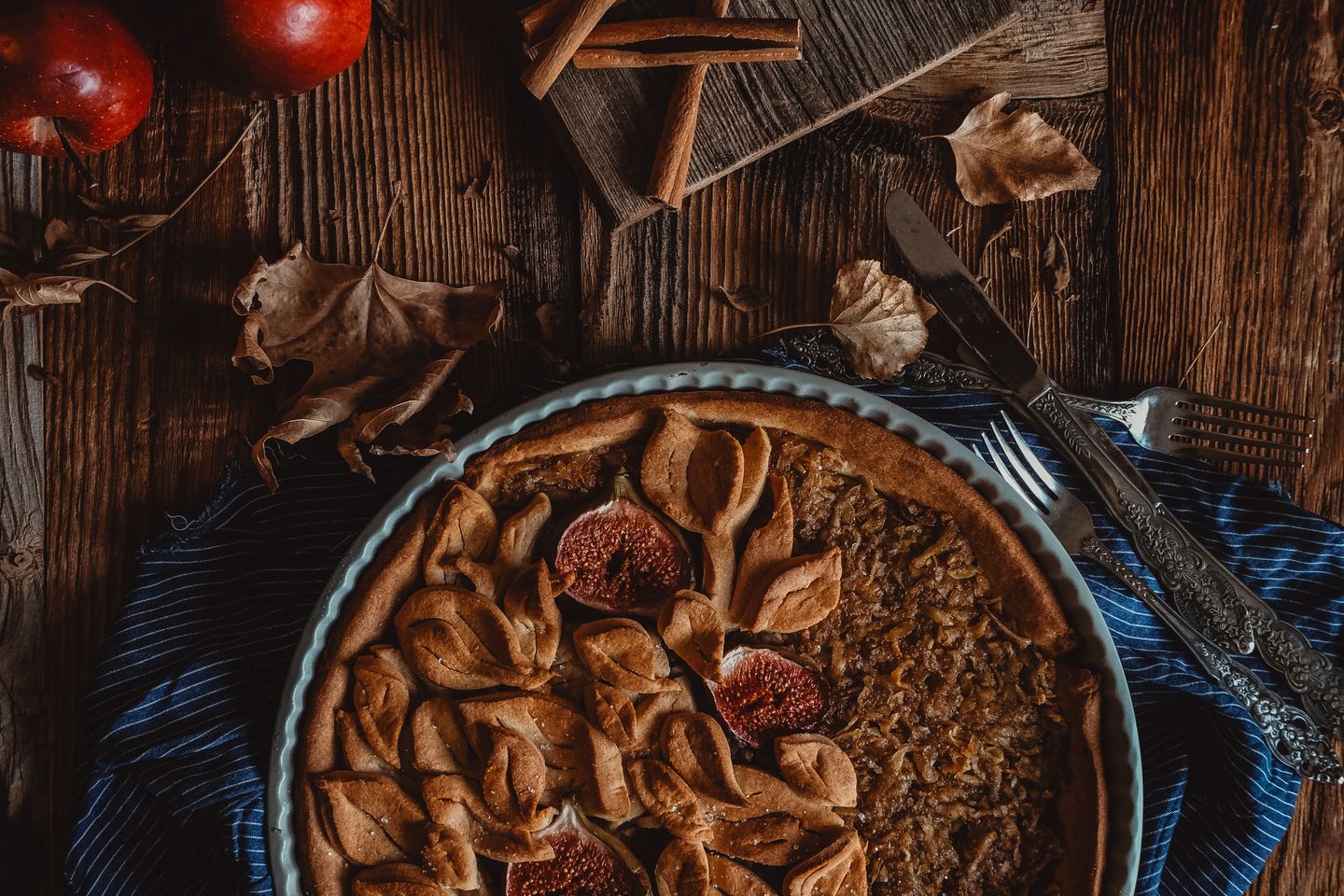
The person who takes the first slice of apple pie has a different experience from the person who eats the last. The first may get a warm wedge that has barely learned to hold together. The last may lift a cool, firm piece that shows every layer. One likes the soft fruit gathered near the center. Another asks for a bit of the edge because that is where the crust stayed crisp. A pie meant for a table of people has to make room for these differences. The first useful choice is which apples to put inside it.
You can make a good filling with one kind of apple. A mix gives you a few more ways to control what happens as the fruit cooks. Some slices stay easy to recognize and give the filling structure. Others soften around them and become the part that runs between the layers. Think about those jobs before choosing by color or buying a set amount of each variety. A fruit that is interesting to eat whole may be useful in a pie for just one of its qualities.
Start by tasting from the middle
Choose two sound apples you are considering. Cut each and taste a piece near the center and a piece closer to the peel. Compare the balance of sweetness and acidity and how much effort it takes to bite through the flesh. If one piece is bland and dense while another tastes fragrant and crumbles more easily, you already have two different possibilities for filling. A tart apple can bring contrast to a sweet crust. A sweeter fruit can make a tart mix rounder.
Ripeness also matters. The same variety from different purchases can feel quite different. If a fruit is ripe and its texture is already yielding, assume it may soften faster than a firm piece in the same pan. That can be an asset in a mix. Look for firmness in some of the fruit when you want the pie to slice cleanly. If the apples in a bag are different sizes or ripenesses, sort them after washing. The smallest apples may take more time to peel for the same amount of usable fruit, but they might taste exactly right.
When you have to buy without tasting, read the seller's description and ask about cooking. You can ask whether the slices tend to hold their shape, or which apples the seller uses for a filling with a little tartness. Those questions usually give you more direction than asking which apple is best. Buy a little extra if you want to taste one before committing the rest. An apple that you decide against can still make a good snack.
See what a little heat does
If you have two unfamiliar apples, put a few slices of each in a small covered pan with a spoonful of water. Keep the groups apart or cook them in two short rounds. Use pieces of similar size and check each at the same interval. A slice that bends without breaking can give you a sense of how it will behave in the oven. A slice that has already begun to collapse can make up the softer part of the filling. This is a quick comparison of the apples rather than an exact miniature of the finished pie.
Taste again once the pieces cool enough to handle. Some apples seem sharper after they have softened. A mild slice may take well to a little lemon or a pinch of spice. Another may be aromatic enough to leave almost alone. Keep a mental note of which fruit supplies which quality. If you like the firmer apple's texture but find the soft apple's taste more interesting, use the first as the majority and the second as a smaller share.
You can also compare what happens when you cut one kind two ways. Thin slices become tender more quickly than broad chunks. With fruit that holds its shape stubbornly, a finer cut can make it work in a pie you want to slice warm. With a particularly soft apple, a few thicker slices may give you more visible layers. When you are making a pie for people to carry to another room on small plates, keep the pieces small enough to cut neatly with a fork.
Prepare fruit to suit the crust you have
Read through the pie recipe before preparing a big bowl of apples. A deep shell can hold more fruit than a shallow plate and has a longer route for heat to reach the middle. The time the filling spends in the oven affects whether the firmer pieces reach the texture you want. A simple open tart shows every slice and cooks exposed fruit differently from a covered pie. Choose the cut with the shape of the finished dish in mind.
A thin slice can be arranged in overlapping layers. A wider wedge makes little pockets of space and tends to form a less regular surface. Both can work under a top crust. A densely packed filling may settle as it cooks, especially when it contains a large proportion of soft fruit. Even the filling in the center and at the edges as the recipe directs. Pull out a very thick piece that would make one slice hard to cut. If you want a mound, build it with layers rather than leaving a few large chunks at the top.
Peeling is another decision about texture. Thick peel can pull away as the flesh softens and stay chewy when you expect the fork to cut through. Very thin peel may be pleasant in a rustic tart where the slices are on view. If you leave it on, taste a cooked sample with the peel before deciding to use the entire batch that way. If you peel, try to remove a thin layer and trim the core cleanly. A broad edible piece can remain beside the core if you split the apple before trimming it.
Notice the juice before it enters the dish
Two batches of sliced apples can sit for the same length of time and give up different amounts of liquid. The variety, ripeness, cut and seasonings all matter. Some recipes want the fruit and its juice in the filling, and some call for collecting and reducing the juice separately. Follow the method you chose and see how the fruit looks along the way. If a bowl is unusually wet, check that you measured the fruit and thickener as the recipe intended before adding anything extra.
Start with less additional seasoning when the fruit itself is flavorful. Cinnamon can give a pie a familiar aroma, but a strongly spiced mixture can make a fragrant apple hard to distinguish. Taste a small sample before adding more, assuming the uncooked ingredients are suitable to taste. For a mix that seems mostly sweet, a small amount of acid may give the flavor a sharper outline. For a mix that is already tart, rely on the recipe's balance before making changes. The pie will also taste different after the crust has browned and the filling has cooled.
The place to correct a cut is the board, and the place to correct an obvious balance issue is the mixing bowl. It is much harder to adjust either once the crust is closed. If there is more fruit than the dish can hold, bake the excess in a small separate vessel if that suits the recipe. The leftover portion gives you a place to taste the combination and can be useful alongside breakfast or another dessert.
Choose the kind of slice you want to pass around
For a pie that will be cut at the table, let it rest as the recipe directs before serving. That pause helps the filling settle and gives people a better chance of getting a wedge that stays together. A warm pie can still be welcome when the occasion calls for one, especially if bowls and spoons are available. Choose dishes that suit the way the filling is likely to come out. A slightly soft scoop of apples and crust can be very satisfying in a bowl.
When you take a pie somewhere else, think about who has to cut it and whether they have a proper serving tool. A broad pie plate can take up more table space than you expect. Let the host know whether it is ready to cut, needs some time or has to be kept at an appropriate temperature before serving. A pie can be made ahead or brought at the last moment according to its recipe and storage needs. What matters for the gathering is that it will be in good condition when somebody wants the first portion.
When you taste the finished pie, pay attention to a middle layer. The outer crust and the first burst of spice can distract from what the fruit did. If all the slices dissolved, buy one firmer apple next time and see whether the bite improves. If the middle feels dry or rigid, change the cut or trade part of the batch for a softer fruit. Keep enough of your method the same to learn which part of the change mattered.
After the first slice, someone may take a smaller piece, someone may take the corner of crust that fell off and somebody may come back later when the remaining filling is cool. Those are all useful tests of the fruit. A pie that can hold a clear slice while still having a little softness around the apples will usually find a place at more than one point in the meal. The best note to save is a short one about the two apples and the way they shared the work.