What a Picnic Needs from the Ground
Choose a place to eat by looking at shade, slope and the route from the basket to the blanket.
8 min read
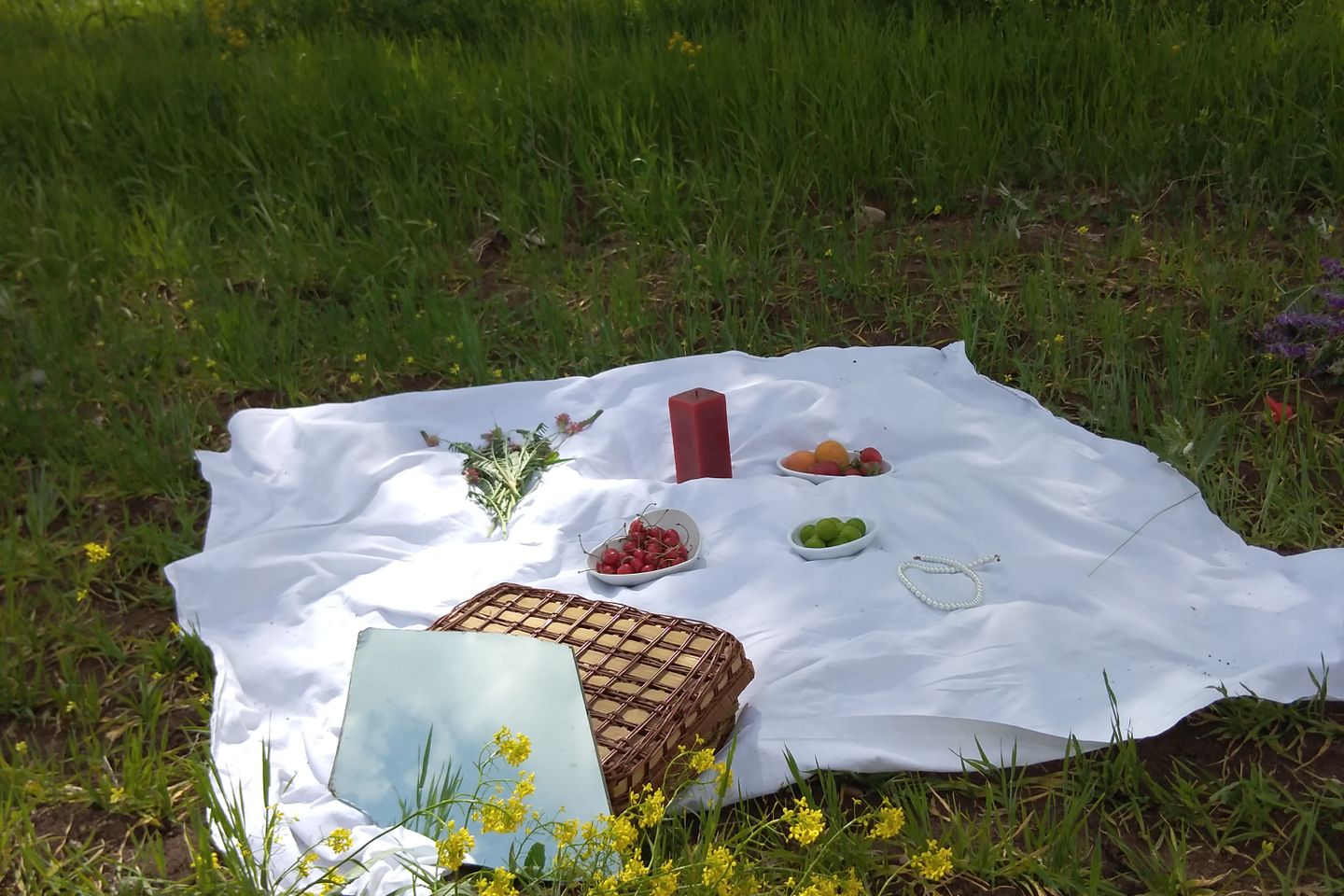
Two people can carry the same basket to two nearby spots and have quite different lunches. Under a tree, the food stays out of direct sun for longer, but the ground between the roots may tilt a cup. On a flat patch of grass, a blanket has room to open and the whole meal is easy to reach, until a ball comes over from a game. A picnic begins with where you put things. The food can wait a minute while you decide.
Look for the kind of place that fits the people who came. A person who has difficulty sitting on the ground can use a bench or a portable seat. Young children may want a clear patch to play within view. Someone who cannot sit in direct sun needs reliable shade, with enough room to move as it changes. A good site allows everybody to eat without repeatedly asking other people to hand things down or get out of the way.
Check the ground before you open the bag
Walk the perimeter of the spot you are considering. A shallow slope can be hard to see from a distance and obvious the moment a bottle tips. Sit low enough to see the surface from the height at which you will eat. A blanket can smooth a few small irregularities. It cannot make a cup sit level over a hollow. Put drinks and anything fragile on a stable surface. A small tray or the flat top of a closed container can make a useful base when the ground is uneven.
Check for dampness, dirt and sharp objects. A cloth that feels dry on top can pull up moisture from below. A mat with a suitable backing or an extra groundsheet can help when the ground is damp. If the surface is uncomfortable, look for a nearby bench or table. Choose a place where you are allowed to sit and where you can keep clear of paths, local vegetation and other people's activities. A beautifully sheltered corner can be inconvenient when it is also the entrance to a busy walkway.
Look for what will move. Wind can make a bare napkin slide under a bag or carry a light lid down the grass. Shade can move far enough during an hour to leave the food in direct sun. In a breezy spot, keep small items in a closed container until you need them. Put clean napkins under a tray so there is a corner to pull without lifting everything. Turn the opening of the bag so you can see into it without setting it where people are walking.
Set out the things you will reach for often
Start with a clean area for serving, with the food on a tray or in its own containers. Put cups or bottles to one side where they can be reached independently of the dishes. If one person is going to pour drinks, give them a clear place to steady a cup. If everyone brought a bottle, put a bag or basket at the edge where empty bottles can stand. Someone should be able to get water without leaning over the plates of people who have already started to eat.
Separate things that have been used from things that are still clean. A cloth bag or a washable container can hold dirty utensils until you get home. A small bag for rubbish and another for items you intend to recycle will give people an obvious place to put what they are finished with. Put the bags where the wind cannot catch them. It is much easier to keep wrappers together as lunch proceeds than to hunt for several around the blanket once people are ready to leave.
Make a place for bags and extra clothing. A backpack that ends up in the middle is often there because the person who carried it had no better spot. Put bulky things along one edge, leaving an opening where people can enter and leave. Keep hats or lightweight jackets somewhere they can be recovered without pulling the food off the blanket. If a group moves between playing and eating, that open route will be used more often than any single spoon.
Pack food that can be served at ground height
A slice of something firm can be lifted with one hand. A salad may need a steady bowl and a serving spoon. A spread that is easy to use at a dining table can be difficult to apply to bread balanced on a paper plate. Think through the first serving before you pack. A sandwich cut and wrapped in two parts can be shared. A container that opens wide and has a secure lid can hold a salad without needing to be emptied into another dish. Where possible, do the cutting and arranging at home.
Pack a small variety of things with different strengths. Fruit can make a good last bite when everything else is packed away. A plain piece of bread can fill a gap when another dish turns out to be unexpectedly sharp or spicy. A sturdy salad can make a little meal feel complete with very few additional pieces. Provide a clean utensil for each shared food and keep the container closed when nobody is serving from it. There is no advantage to leaving the entire lunch uncovered while one person finishes a first helping.
Plan the temperature of the food separately from the choice of shade. Perishable food needs to stay cold or hot as appropriate, even on a shaded lawn. USDA outdoor guidance recommends keeping cold foods at 40°F or below in a cooler with ice or another cold source. Keep the cooler closed as much as practical and take out what you will use soon. When there is no dependable way to keep the food cold, plan around suitable shelf-stable items instead. USDA outdoor food safety guidance
Give the place a little time before judging it
Once the food is out, wait a few minutes to see how people use the space. A person who would be comfortable at the edge may have taken a place in the middle because that is where the spare plate was. The position of the basket can make someone the permanent person in charge of passing food. Move a few things within reach of the group and leave an empty area for a person who comes back later. A picnic often has a much looser schedule than a meal at a table.
If the shade moves or the ground turns out to be damp, move the people or the food while the meal is still easy to rearrange. Put lids back on dishes before carrying them. Take cups to the new place and then fold or lift the blanket. Use two trips if carrying everything at once is awkward. A short relocation can improve the rest of the afternoon. It may be possible to move the part that matters a few feet and leave the bags where they are.
Eating outside offers a few things worth paying attention to. A food that is quiet in a kitchen can feel more noticeable when it is eaten under a tree or between stretches of walking. A cup that would seem small at breakfast can be exactly the right size for a pause on a long afternoon. There may be a reason to make the first lunch simple and leave time to sit after it. One of the advantages of carrying food is deciding where that pause belongs.
Pay attention to how the serving arrangement works for the person farthest from the food. They may be able to reach a cup but have no way to pass a tray back without putting their plate down. A second serving spot on a nearby bench can split the work, especially if several people are eating while standing. Keep the dishes that belong together near one another and carry only part of the meal over at first. The two areas can come together again when the next course needs less room.
Pack up from the outside in
Collect anything that traveled to the edges first. Check under the corners of the blanket, around bags and along the path people took to get up. Put away the food and secure anything that could leak. Handle perishable leftovers according to how they were kept. If there is doubt about whether they stayed at a safe temperature, discard them. Close the rubbish bags and take them to the appropriate place. Look for small pieces of foil, peel or paper that can be hard to see from standing height.
Shake crumbs into a suitable bag instead of scattering them on the ground. Fold the blanket so the side that touched the ground stays away from clean plates and cloths. If it is wet, carry it separately until it can dry. Put anything that needs washing near the opening of the bag so it will be easy to reach at home. The picnic is nearly finished when the place is clear enough that somebody could use it immediately after you leave.
Take one last look from the point where you first arrived. The best spot may have been the one with a bench nearby, a way out of the wind or a patch of ground that kept the tray still. Remember the feature you actually used. The next time you pack a lunch to eat outside, that observation can matter more than finding the same tree.