The Small Table at a Family Bakery
A few seats beside a bakery counter can change how a loaf, a pastry and a quick conversation fit into an ordinary day.
8 min read
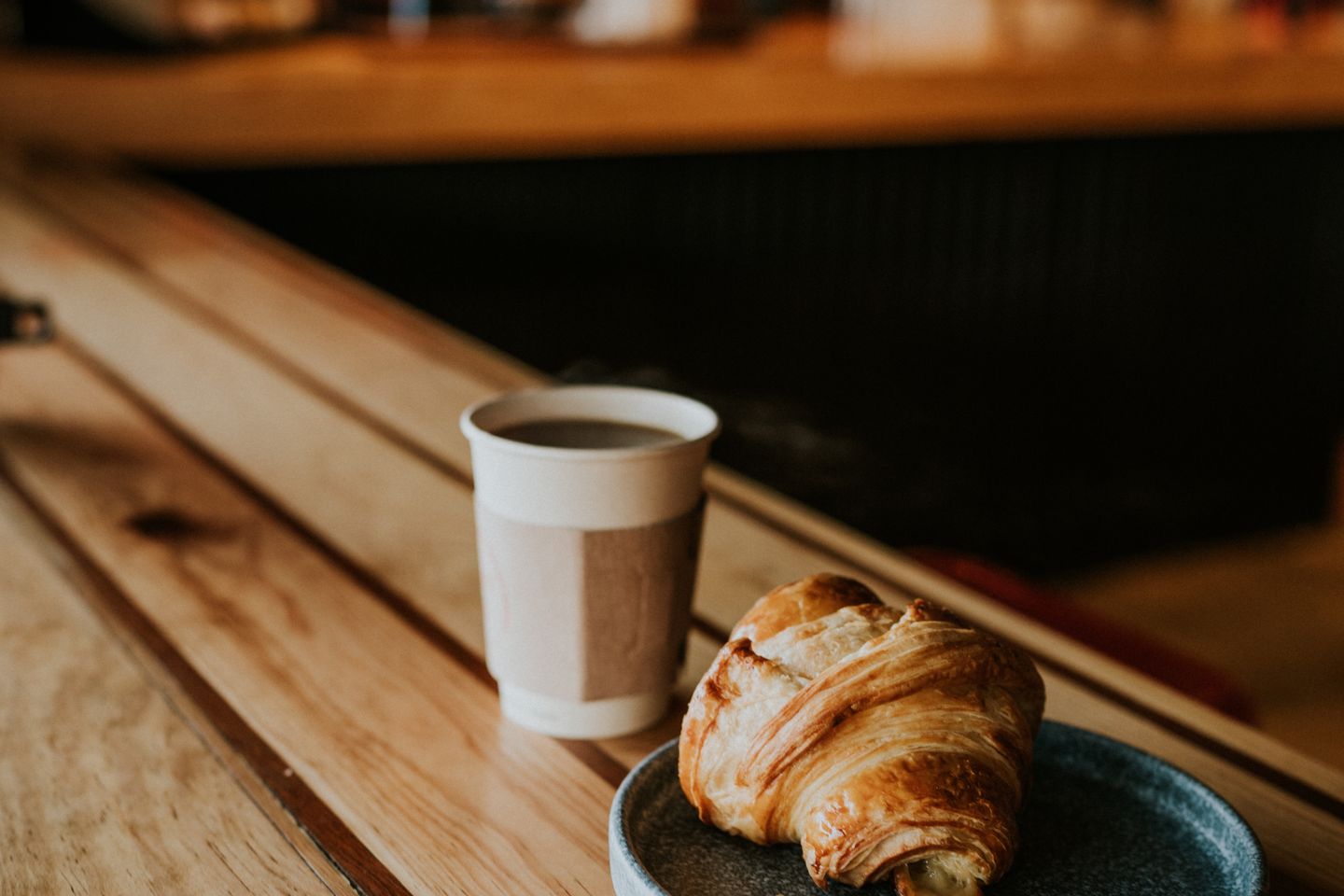
A bakery built only for takeaway needs a clear route between the door, the display and the till. Add one small table and the room gains a second kind of customer. Somebody may come in for a loaf and stay for a cup of coffee. Two people may buy one pastry and ask for a plate to divide it. A visitor who would otherwise have carried a paper bag to the street can sit and taste what they just chose. The table takes up a little floor space and changes how that space is used.
In a family-run shop, there may be few people available to run between the counter and the seats. Someone may be wrapping bread, checking a tray in the back and clearing cups in the same stretch of time. The service arrangement usually makes more sense if you read it from their side of the counter. A small shop may offer a place to sit while keeping the ordering as simple as it is for the people who are leaving.
Read the room before claiming a chair
Look near the entrance for instructions. Some places ask people to order and pay before sitting. Others ask seated guests to wait or give a table number when ordering. When there is no sign, see what the line is doing or ask at a suitable moment. Setting a bag on the only empty chair while several people are waiting can create confusion if the shop assigns tables after an order. A simple question is easier to sort out before a party settles in.
Think about what the table needs to hold. A two-seat table may have room for two cups and a pastry plate but little space for shopping bags. If you have a large bag, keep it where the people going to the till can pass. Keep the door, serving path and seats clear. An open corner of the room may be a regular route for somebody bringing trays from the back. A chair that looks movable can have a good reason to be where it is.
The small table offers something different from a row of chairs in a large café. Its position may let you see which loaves are disappearing, or notice when another tray is brought out. It can also place you close to the movement of a working shop. Choose a moment and a place that suit what you want. A short visit near the counter can be lively. A long conversation might be more comfortable elsewhere when the shop is crowded.
Order for a plate when there is a plate
The right bakery purchase can change when you intend to eat it immediately. A fragile pastry with a thin crust may be easier to enjoy at a table than from a bag. A piece of cake with a soft filling may need a fork. A bun that would make a comfortable snack on a walk may offer very little reason to sit. Look at the display with the next ten minutes in mind, especially if you already know what you want to buy for later.
Ask a specific question if you are choosing among unfamiliar items. You might want to know whether a roll is sweet, whether a filling is soft or whether a loaf is usually sliced before serving. Some products have names that people in the neighborhood understand quickly and newcomers may never have heard. A short description can help you choose without interrupting the rhythm of the counter. If you need ingredient or allergen information, ask directly and wait for a clear answer. Familiar shapes can contain quite different ingredients.
The table makes a small order flexible. Two people can split a substantial slice or buy two things and trade bites. If you want to share, ask for an extra plate or knife only if you need one. A crisp pastry is sometimes easier to break into pieces over a plate than to cut with a small knife. With something soft or sticky, a knife can spare both people from holding the piece while the other takes a share.
Notice what time does to the counter
A bakery display changes through the day for reasons that can be seen without knowing the production schedule. Loaves occupy space. A tray can be refilled only when another tray is ready. Some products stay pleasant on display longer than others. A customer who arrives at the same time every week may get to know a particular corner of the counter, while somebody who comes an hour earlier sees an entirely different arrangement.
Treat an empty place as information rather than a promise. The item may have sold through, or it may be coming out later. If you have a particular loaf in mind for a meal, ask whether the shop takes orders or can tell you when it is usually available. If you have come to try something and have time to choose, look at what is on hand. A smaller pastry you might have overlooked can work well when there is a table and a cup beside it.
It is easy to judge something by how full its tray is. A display with six pieces on it might be a new small batch or the end of a larger one. The people working there know more than you can see. If texture or timing matters to you, ask in an ordinary way. You can mention that you are taking the item on a long trip, or plan to eat it as soon as you sit. The answer may point to a different part of the counter than the one you had in mind.
Give the people working there room to work
A short quiet spell can make a bakery feel as though it has all the time in the world. A handful of people can come through the door in the next minute. Keep conversations at the counter short when others are waiting. You can ask a question before ordering and talk more later if the pace allows it. When a worker is carrying something hot or heavy, give them space and let them finish before speaking. The movement of a busy bakery is easier to see from a chair than it is from the line.
When you sit, follow the shop's arrangement for used dishes. Some shops ask people to return cups to a tray. Others collect dishes from the tables so clean and used items stay apart. If there is no obvious place for the dishes, leave them together and ask if appropriate. A wrapper that needs to be thrown away can go in the proper bin. A half-eaten pastry can go back into its paper if the shop allows it and you want to take it with you.
Watch the seats rather than the clock. A table in a quiet room may be an easy place to finish a second cup. When the room fills and others are waiting to sit, it is considerate to move along once you have finished. If you need a place to work for an extended time, check whether the shop welcomes that use. A single occupied table can account for a large part of the seating. The customer using it and the person looking for a chair may both have good reasons for being there.
A chair by the window can be an easy place to wait for a sliced loaf if the shop invites you to sit. Keep track of where the order will appear and listen for your name or number. Collecting it promptly leaves the counter clear and gives you a chance to check that you have the right bag before going back to your cup.
Carry one thing out after sitting down
Eating first can help you buy better for later. A loaf tasted at the table might show that you prefer the crust to the soft center, or that its flavor would go well with a meal you already planned. A rich pastry might be enough shared and too much for everyone to have one. Ask how to carry or store an unfamiliar purchase if it needs care. The question is easier to answer when the person working there knows whether you are taking it around the corner or carrying it home at the end of the day.
A small table can turn a routine errand into a regular visit without much planning. The first time you may sit because it is raining. Another day you may bring somebody who has never tried a particular bread. The people behind the counter might recognize what you usually order, or might simply ring up a different choice. A familiar place can allow both outcomes. It can offer a chair and leave the conversation up to you.
If the table is occupied when you arrive, make the decision fresh. You may find a suitable place outdoors, choose something that travels well or return on another day. The bakery still works when nobody sits. Its brief pause is valuable because it is available alongside the quick errand, and because people can take only the time they have.
Before leaving, look around the chair and take everything you brought. Leave the space in a state that makes it easy for the next person to sit. Then carry the bread or the last pastry out through the same door you came in. The purchase may be ordinary. Sitting down long enough to notice how it tastes can be the part that changes the day.