The Jar of Chickpeas
One pantry staple becomes a cool lunch, a crisp tray topping, or a soft spread depending on how you treat it after draining.
8 min read
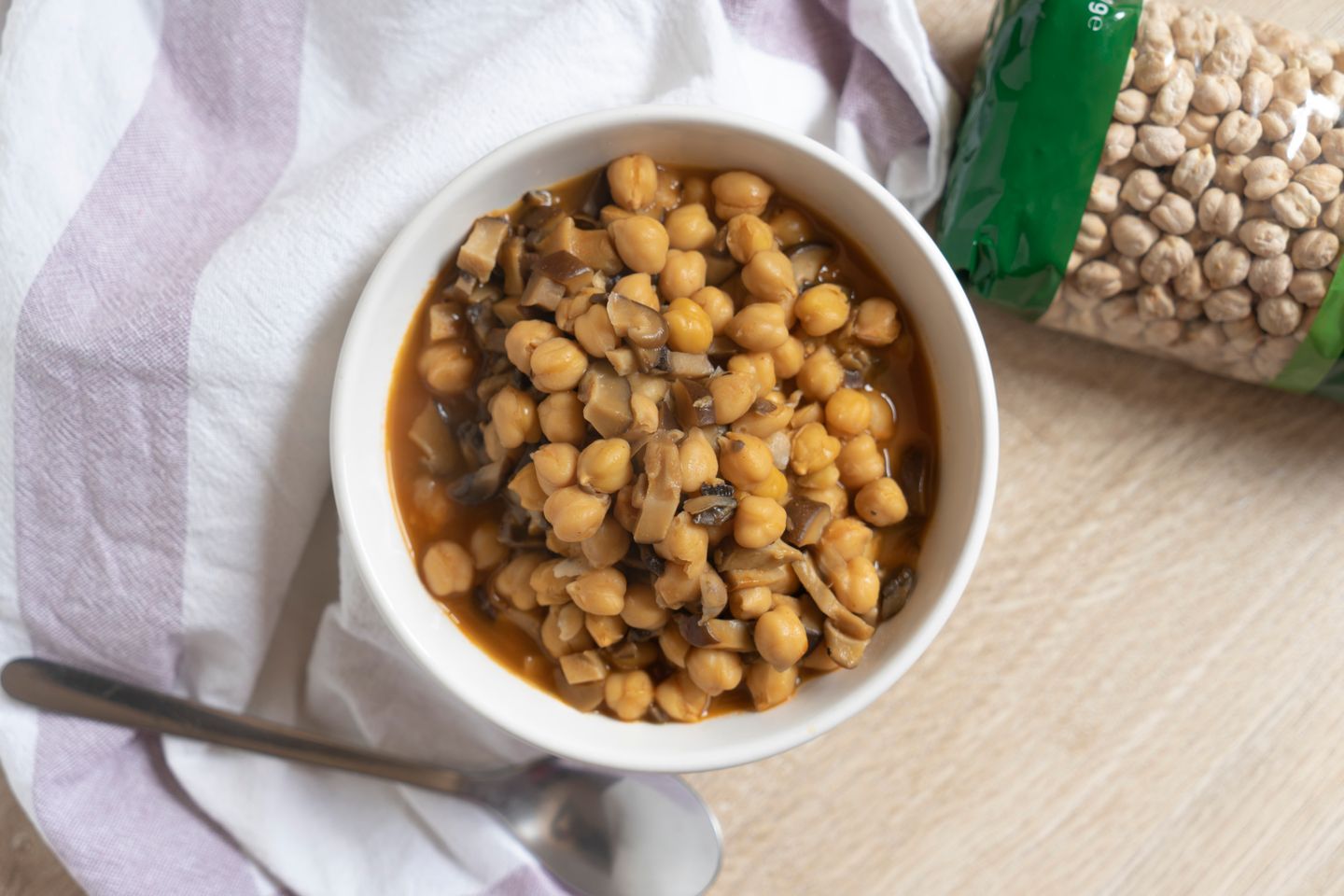
A jar or can of chickpeas leaves dinner in a useful state of uncertainty. The chickpeas are already cooked, so supper can be ten minutes away. They are also firm enough to go through a second cook if you would like some color or a warmer dish. On a day when lunch has been postponed too long, they can go straight into a bowl. On a day when the oven is on for something else, the same pantry staple can provide a dry crunch for the top of it.
The useful difference is how wet the chickpeas are allowed to stay. A little moisture helps when you want a quick mash. For browning, water on the outside has to go away before the skins begin to color. In a salad, you want the dressing to supply most of what makes the chickpeas glossy. Drain a full container, set aside a few spoonfuls, and compare the three textures at the table if you want to see how distinct they can be.
Take stock of the container
Look for cooked chickpeas packed in water or a mild brine. Read the ingredient list if you want to be able to season the beans yourself. The printed weight can include the packing liquid, so check the drained weight if the label gives one. A regular container with about 230 to 250 grams of drained chickpeas is enough for a substantial salad for one or two people, or a smaller topping for several servings. If you are buying specifically for a smooth spread, a larger container can save you from having to scrape the bottom of a blender after a very small batch.
Use a package in good condition and within its recommended storage period. A leaking container, bulging can, loose jar seal, or unusual spurting on opening is a reason to discard the package without tasting its contents. Store intact packages according to the label. Once opened, drain the amount you plan to use. If you are saving unused chickpeas, put them in a clean covered container in the refrigerator and use them within a few days.
Let a few chickpeas drain on a spoon and press one with the back of a fork. You can feel whether its skin is firm and the center comes apart easily. Tender chickpeas are especially good for a spread. Firmer ones make a convenient salad because they can be tossed with chopped vegetables without turning into paste. Rinse under cool running water if the brine is stronger than you want, then drain them thoroughly. Let them sit in a fine strainer while you decide what else will go in the bowl.
Dress them before you add the most delicate things
For a quick salad, put the drained chickpeas in a bowl with a spoonful of olive oil, a squeeze of lemon, and a little chopped parsley. Stir and taste one before adding salt. Some brands are already quite salty, even after a rinse. Stir in chopped cucumber or celery for crunch. Keep the pieces a little smaller than the chickpeas so several ingredients fit in one forkful. If the cucumber has a very watery center, run a spoon down that part before cutting it.
Let the chickpeas sit in the dressing for a few minutes while you toast bread or set out the plates. A bowl that tastes dry after the rest may need a little more lemon and oil. Give it a single small spoonful at a time. If using delicate herbs, fold in the last of them just before serving. If you want to add soft greens, serve the chickpeas on a bed of leaves instead of stirring the whole bowl repeatedly. The leaves will keep their shape, and their edges are easy to gather with the dressing that settles on the plate.
Try the same salad with one warm addition if the day is cool. A few cubes of recently roasted squash work well. Spoon them over the chickpeas after mixing rather than breaking them up with the spoon. A dry wedge of toasted bread can pick up the liquid at the edge. The chickpeas taste much as they did at the beginning, but the difference between the warm squash and cold cucumber can make the bowl feel like a complete meal.
Dry the batch that will go into the oven
Drain another portion and spread the chickpeas on a clean towel. Blot them gently. Loose skins can be taken away if they come off, although you can leave any that cling. A broad pan helps the remaining moisture escape. Toss with a thin film of oil, about one tablespoon for a full regular container. Spread the chickpeas in a single layer on a rimmed metal tray. Give them a little space so they can roll when you shake the tray.
Roast at about 220°C or 425°F, shaking the tray once after the outside has dried. Begin checking after twenty minutes. Some chickpeas may split at the side and show a light patch of the interior. Take a few out and cool them for a moment before you judge their texture. If the skins feel firm but the center still has a noticeable bite, they can be good over soup. If you want a stronger crunch, give them several more minutes, checking the smallest pieces first.
Put ground spices on toward the end or just after taking the tray out. Ground cumin, black pepper, or a little smoked paprika can stick to a thin film of warm oil. Thick layers of ground spice on a hot pan can darken before the chickpeas are done. Try a few with only salt first. That makes it easier to tell how much toasted flavor the oven provided before you add anything else. The crispest pieces are best used the day they are made. If they soften after refrigerated storage, a few minutes in an oven can dry their outer layers again.
Mash a few while they are warm
To make a small spread, warm the drained chickpeas with a few tablespoons of water in a covered pan. Let them simmer until a fork presses through the centers easily. Drain off excess water and keep it in a cup. Mash the chickpeas with a tablespoon of olive oil, a little lemon juice, and a small pinch of salt. A potato masher gives a coarse spread with a few visible halves. For a softer texture, stir in some of the cooking water a spoonful at a time.
A spoonful of tahini is a useful addition if you have it and can eat sesame. Stir the jar well before measuring, since the paste can separate. Add it once the chickpeas are mostly broken up. The mixture may firm up at first. More warm water can bring it back to a texture you can spread. If you want a very smooth result, blend in a food processor. Use only equipment suitable for warm foods and follow its instructions. Small batches sometimes spread up the sides before the blades reach them, so switch off the machine and scrape the bowl as needed.
For a piece of toast, make the mash thick enough to hold a groove left by the back of a spoon. For a bowl intended for dipping, leave it a little softer. It will thicken as it cools. A teaspoon of oil swirled over the top can make a firm spread easier to lift with bread. Finish with chopped herbs or the grated outer skin of a clean lemon. If keeping the spread, refrigerate it promptly in a covered container.
Use the last handful with intention
You can keep a warm handful whole if the rest of the meal is already soft. To serve chickpeas on top of a bowl of puréed soup, dry them and warm them in a skillet until a few skins begin to blister. Slide the pan away from the heat and add a pinch of salt. The outside will have a little structure even if you have only a few minutes and the oven is off. Add them after you ladle the soup so they are visible on the surface. Keep a small plate nearby for anyone who wants to try the chickpeas by themselves before stirring them in.
The smallest leftover portion is easiest to use when you give it one clear job. Add it to hot broth and a handful of greens. Crush it with a fork to give a sandwich a soft bottom layer. Or toss it in a skillet with an already cooked vegetable until everything is hot. A small amount of chickpea is particularly useful where you have flavor and liquid already, because the beans can make the plate feel more substantial without adding another sauce.
Save any seasoning decisions for the moment the chickpeas meet the rest of the dish. A spoonful that tastes fairly plain alone may be well balanced next to a salty cheese. A crisp batch meant to go on soup can take a bigger pinch of spice than one you will eat by the handful. Once you have tasted the chilled beans, the warmed mash, and a toasted sample, the next container can stay closed until you know which of those textures dinner needs.