A Cabbage from Core to Leaf
Buy one green cabbage with four meals in mind, then give the outer leaves, dense center, wedges, and core the cuts that suit them.
8 min read
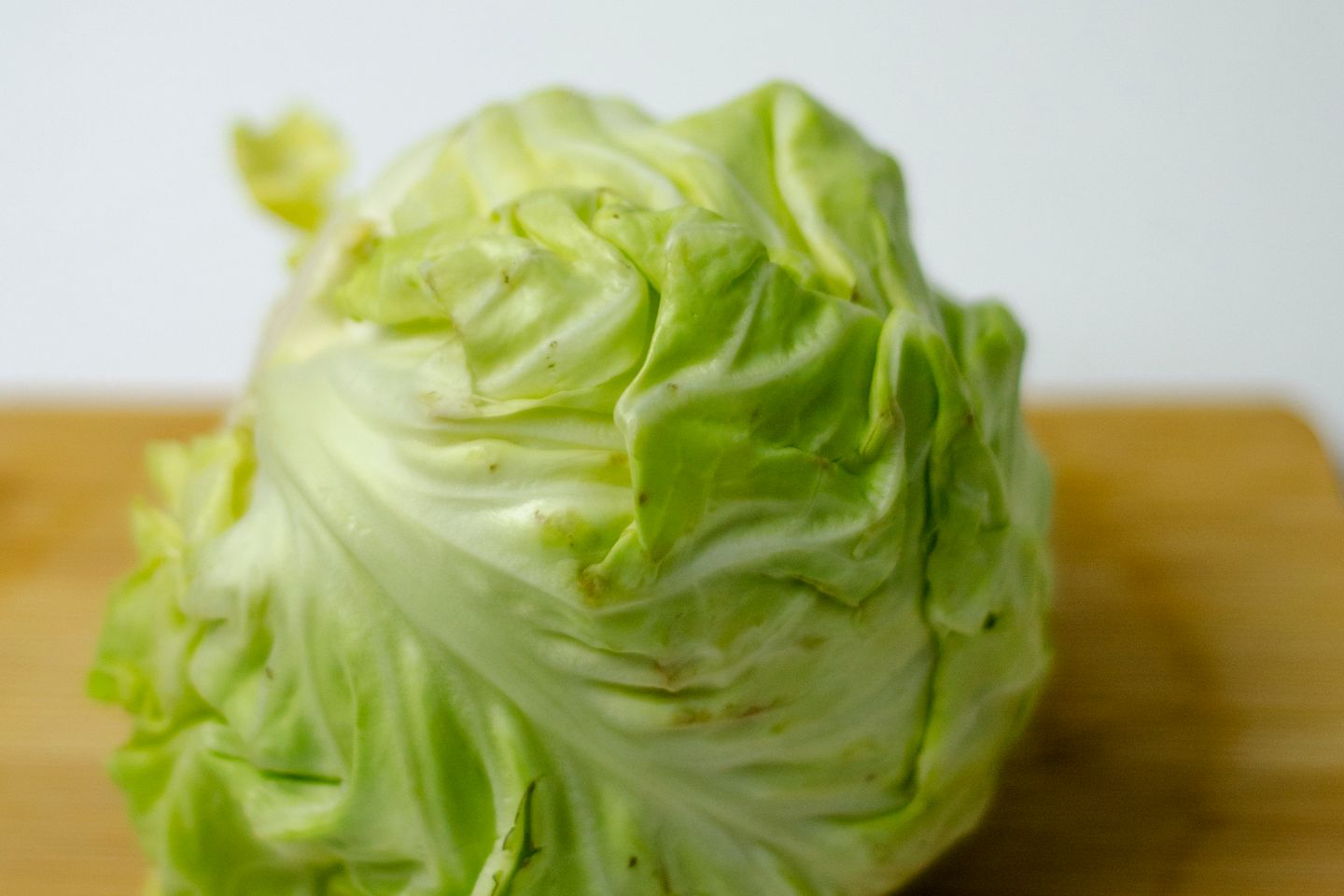
The first cut into a green cabbage is a better guide to its uses than the label on the produce shelf. The outer leaves peel away in large sheets. Inside them is a tightly packed set of pale, crunchy layers. At the base, a short piece of core holds every layer in place. Each part has a texture you can use. It is possible to plan several dinners around a single head and still have the cabbage behave differently every time it reaches the table.
Choose a firm cabbage that feels dense for its size and shows fresh, closely wrapped leaves. A slightly torn outer leaf is common. Leave behind any head with slimy areas or a soft, wet base. Whole cabbage stays in better condition in the refrigerator than a pile of shredded leaves. If you know you will be cooking with it through the week, leave the unused portion attached to its core and wrap the exposed face. The cabbage is easier to cut on the second and third days because the core gives your knife a solid anchor.
Cut out a portion at a time
Take off the outside leaf if it is damaged, and rinse the leaves you are about to use under running water. A towel laid under the cutting board keeps the board from slipping when you lean on the knife. Cut the cabbage from the stem end through the top, then set one half cut side down. A large cabbage is easier to handle if you divide that half into quarters before trimming any part of the core. The wedge will stay together until you decide which job it has.
A common way to prepare a head is to carve the core out of every quarter at once. For roasting, keep a thin strip of it in each wedge. It acts like a little clip. For slaw, shave away the core from the side you are about to slice so the shreds fall free. For a packet made with whole leaves, take the leaf off first and shave its central rib down flat with a small knife. These are three different cuts around the same piece of cabbage, and each prevents a different annoyance later at the stove.
Set the remaining half in the refrigerator with the cut side well covered. A new cut will expose a fresh layer, so you can remove any dry edge that develops before you use the rest. Wait until you need the cabbage to wash and slice it. Shreds offer a much larger wet surface to store than a single half head.
Wrap a few whole leaves
The first useful outer leaves can become wrappers for a meal of cooked rice, lentils, or mushrooms. Peel them off one at a time. If one splits halfway up, pull it off anyway. A small tear can be folded inside the packet. Pick broad leaves without thick, ragged splits for the outside. Save the narrower ones for slicing.
Dip the leaves into a wide pot of gently boiling water until each is flexible enough to fold without breaking. Check after a minute and give thicker leaves longer if needed. Lift them onto a clean towel. Lay each leaf rib side up, draw a small knife along the raised rib, and take just enough off that the leaf can fold flat. A deep cut through the whole rib can open a hole near the bottom and let the filling work its way out.
Place a couple of tablespoons of seasoned, cooked filling across the wide end. Fold the sides toward the middle and roll. Put each packet seam side down in a shallow dish, moisten with a spoonful of broth or tomato sauce, and heat through. If you are using leftovers, bring the center of the packet to 74°C or 165°F. A squeeze of lemon at the table goes a long way against a fairly sweet cabbage leaf. The wrappers are also useful when supper has only a little cooked grain left. Spread it among a few leaves and add a bowl of something brothy alongside.
Cut shreds for the sharpest salad
For a small bowl of slaw, start with a quarter head, cored, and slice crosswise into thin ribbons. Work with one stable wedge at a time. A sharp chef's knife gives shreds with a little variation, which helps a salad sit lightly in the bowl. The width matters more than length. Thick pieces of leaf can be pleasant; an equally thick piece of rib may make the same forkful hard to eat. Turn any stubborn rib flat side down and cut it separately into finer strips.
Toss a handful with a little fine salt and set it aside while you make the dressing. Taste after ten minutes. The salted cabbage will have a softer bite and may have left a bit of water in the bowl. Drain that away before dressing if the ribbons are wet. For a quicker version with a louder crunch, skip the waiting and add the salt with the rest of the dressing. Both are useful: the first will pack easily in a box, and the second feels lively next to something warm on a dinner plate.
Combine three parts mild oil with about one part cider vinegar and a small spoonful of mustard. Taste on a shred before pouring it over everything. A very thin shred will take more dressing across its surface than a coarse strip. If an apple is available, slice half of it into thin sticks and stir them in as you dress the cabbage. Add a few toasted sunflower seeds immediately before serving if you want a separate crunch that stays distinct from the leaves.
Give thick wedges a hot tray
A cabbage wedge that still has a strip of core can turn deep brown on its flat sides and remain tender near the center. Cut wedges from one quarter head, each roughly the width of two fingers at the outside edge. Use a rimmed baking sheet and brush the flat sides with oil. Set them apart from each other and roast at about 220°C or 425°F. Check the underside after fifteen minutes and turn when it has a good patch of brown. Finish when a narrow knife slides into the thickest area without much resistance. Depending on thickness, the two sides can take around half an hour in total.
If the leaf tips color before the core is tender, move the tray lower in the oven and check again in a few minutes. A good wedge has a few loose edges that are crisp enough to lift off with your fingertips. Season it as soon as it comes out. Vinegar or lemon wakes up the browned leaf edges, and a spoonful of yogurt or mashed white beans gives the wedge something soft to sit on.
Wedges left from dinner are useful chopped into a grain bowl. Cut through the tough tip of the core after cooking. The rest of the piece will fall into short segments that can warm briefly in a pan without losing every browned surface. A splash of water in the pan will soften them, so leave it out if the crisp edges are what you saved them for.
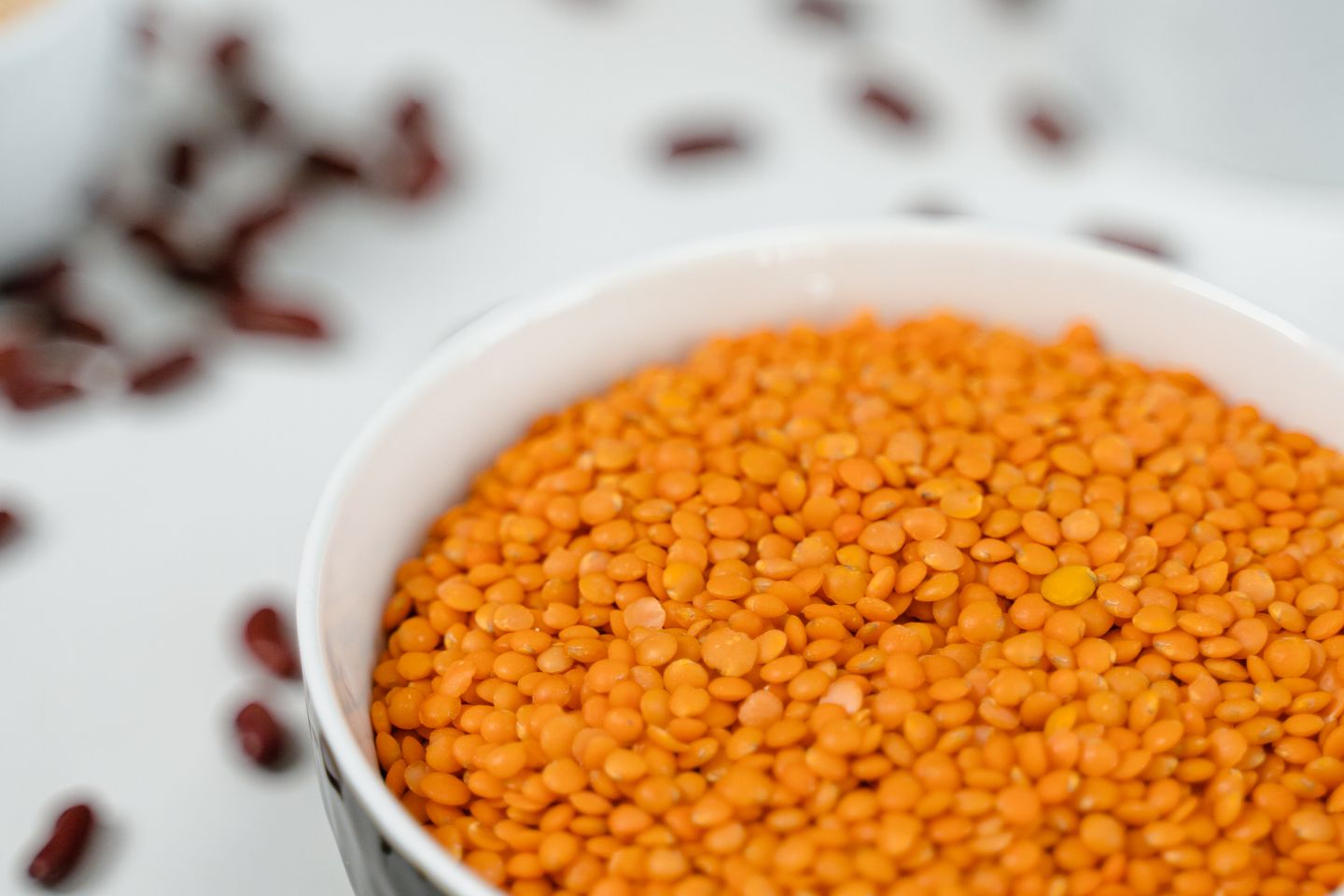
For a meal built around the wedges, warm some cooked lentils in a saucepan while the cabbage browns. A spoonful of the lentil cooking liquid will help them stay moist. Taste them against a scrap of cabbage before seasoning the pan. The brownest leaves are sweet and a little bitter at the very tips. The lentils can carry a bit more vinegar than they would if served on their own. Spoon them out first and settle the wedges on top, leaving a few crisp edges well clear of the liquid.
Find a use for the center and the stem
The inner half of a head can seem surprisingly sweet once it is sliced. Cut a few leaves into short squares and drop them into a soup near the end. Taste a piece after it has softened at the edges. If you want the broth clear and the cabbage to keep a bite, serve as soon as that stage arrives. For a soft cabbage soup, cut the same leaves into broad strips and simmer them longer. The wide strips become silky and are easy to lift with a spoon if you cut them short at the outset.
The base of the core can have a dry or tough outer layer. Pare that away and cut a thin slice from the sound pale center. A tender core has something in common with the inside of a broccoli stem. Dice it finely and soften it with onion as the first step for soup, or cut it into very fine sticks and add a little to the slaw. If it feels woody under the knife after trimming, discard it. A few tablespoons of hard dice take longer to tenderize than a pot of sliced leaves.
Near the end of the week, the last dense wedge will often be the easiest one to cut because you already know which dishes have worked. If the roasted edges were what everyone picked from the tray, give the wedge the same treatment. If a bowl of crisp shreds disappeared before you thought of packing lunch, there is enough left for another small salad. The advantage of buying a whole head is having a few meals to find out which part you want to cook again.