Oats Beyond Breakfast
A bag of old-fashioned rolled oats can make a crunchy topping, thicken soup, and help a vegetable patty hold together.
8 min read
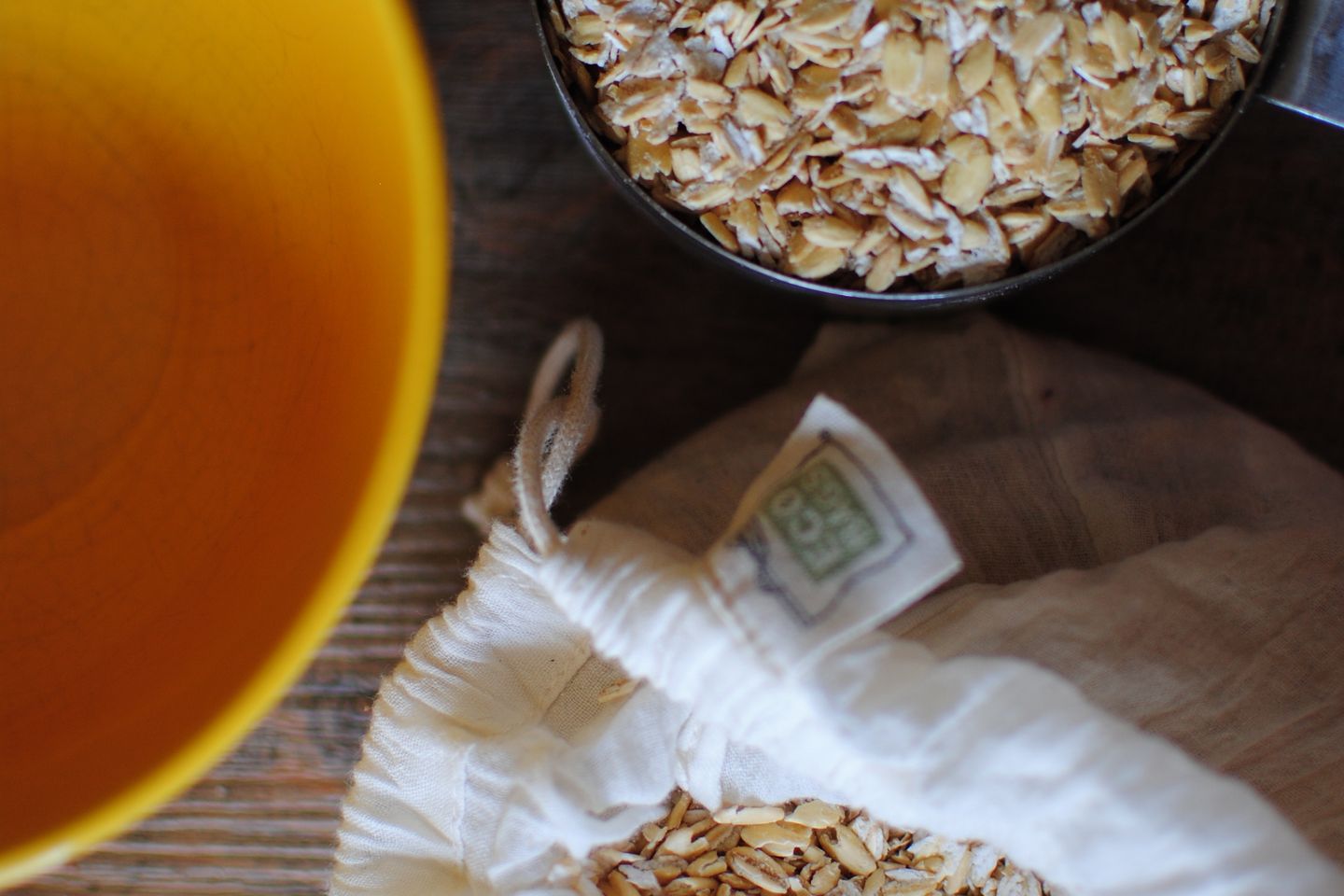
Open a bag of old-fashioned rolled oats at supper and pour a little onto a plate. The flakes are flat, pale, and uneven. A few are nearly whole and a few look like crumbs. That mixture is already useful. The broad flakes can be toasted until they are crisp enough to scatter over a bowl of beans. The little fragments can melt into a pot that needs more body. If you have vegetables that would make a good patty but will not stay together, the bag offers a middle ground between a loose mixture and one thickened with a large amount of flour.
Set aside a small scoop for each job the first time. The way a flake behaves in a skillet is different from what it does in a saucepan, even when the same bag is on the counter. Dry heat changes the surface first. Water softens the whole flake. Give the oats just enough time for the part you want to use. By the time dinner is served, you can have two or three very different textures from a single pantry ingredient.
Choose plain flakes for the widest range of uses
Old-fashioned rolled oats are a convenient choice because their flakes are large enough to recognize after a short toast and thin enough to soften in a weeknight soup. Quick oats can thicken a mixture sooner and give a less distinct topping. Steel-cut oats need a longer cook and keep more of their shape, so use a recipe intended for them when you want a bowl with a firm bite. Packets with added sugar or flavoring are hard to use in savory dishes because the seasonings are already mixed throughout.
Store oats in a dry, covered container or reseal the bag between uses. Keep the label with any dates and directions if you transfer them. Choose a cupboard that stays dry when the kettle is on and move the container away from the stove before you open it. Oats can pick up stale odors over time. If the contents smell rancid or show signs of moisture or mold, discard them. For a bag you open often, a scoop or measuring spoon that goes back clean and dry can prevent small wet pockets.
Look for the balance of whole flakes and fine pieces. A bag that has been carried around or is almost empty may have more fine pieces at the bottom. Use those first in a soup or patty. If you want the topping to keep its shape, lift a few scoops from the top of a new bag before shaking it. A strainer can separate the smaller pieces, though it is rarely necessary if you just want to make a small plate of toasted flakes.
Toast flakes until you can smell them from the stove
Put a dry skillet over medium-low heat and add about half a cup of rolled oats. Spread them into a shallow layer. Stir or shake the pan every so often as the flakes start to smell warm and toasty. Small pieces can darken ahead of the rest, so stay close. The finished flakes should be a few shades deeper in spots and should feel dry after cooling. In most pans the color begins to change within several minutes, although a heavy skillet can need a longer warm-up.
For a savory topping, put a teaspoon of oil in the pan as the oats begin to take on color. Toss to distribute it and add a small pinch of salt. A little cumin, a few sunflower seeds, or a pinch of black pepper can make the topping suit what is already on the table. Add ground spices near the end and move the pan off the heat if they darken quickly. If you want the flakes to be crisp, wait before adding chopped fresh herbs. Their moisture can collect on the hot flakes.
Spread the toasted oats on a plate to cool. A bowl of cooked beans can take a broad scattering because it has enough moisture underneath. Over a salad, use a little at a time and leave the flakes above any puddle of dressing. A roasted vegetable with a soft center can take a teaspoon on each serving. Save an unsalted spoonful to taste beside the finished bowl. It will be easier to tell whether the flavor you liked came from the oats, the seasoning, or both.
Use a spoonful of flakes where a broth feels thin
For four bowls of vegetable soup, begin with two tablespoons of rolled oats. Sprinkle them over the simmering liquid and stir immediately. There should be room for the flakes to move freely without collecting at the bottom. Cook gently for about ten minutes and taste a spoonful. A visible flake may still have some texture, while the surrounding liquid feels fuller. Add another spoonful only after you have tasted it. The oats will keep absorbing liquid for a while after the heat is off.
If you want a very smooth soup, blend the soup once the oats and vegetables have cooked through. Use equipment suitable for hot liquids and follow its directions. If you want to keep pieces of vegetables visible, mash just a few spoonfuls of soup against the side of the pan and return them to the liquid. It is often enough to soften the view of the flakes without making the entire pot smooth.
A squash or carrot soup takes oats well because the vegetables already give the pot some sweetness and color. A light broth with herbs can tolerate a small amount before the grain begins to dominate. Take half a cup out before adding the oats if you are unsure. Use one portion to compare thickness later. You can always pour the thin soup back into the pot and adjust. If the soup is thick by the time you reheat it, add a little water or unsalted broth and bring it to a boil.
Make a patty that can survive the first turn
Use rolled oats as part of a binder for cooked vegetables. For four small patties, begin with about 250 grams of a mixture of cooked white beans and a fairly dry roasted vegetable, such as carrots or squash. Mash until some of the beans have broken and the vegetables are in small pieces. Add three tablespoons of rolled oats and a little salt or chopped herb. Let the mixture sit for ten minutes so the oats can take up some moisture. Squeeze a small amount in your hand. It should feel soft but stay in one piece when you open your fingers.
If the mixture cracks into dry chunks, mix in a spoonful of water or a little mashed bean. If it clings like paste, add another spoonful of oats and wait a few minutes. Form small patties about a finger thick. A little oil on your palms makes the edges easier to shape. An overly large patty can break under its own weight before the outside has had time to firm. Make the first one the size of a small saucer and give yourself room to get a spatula underneath it.
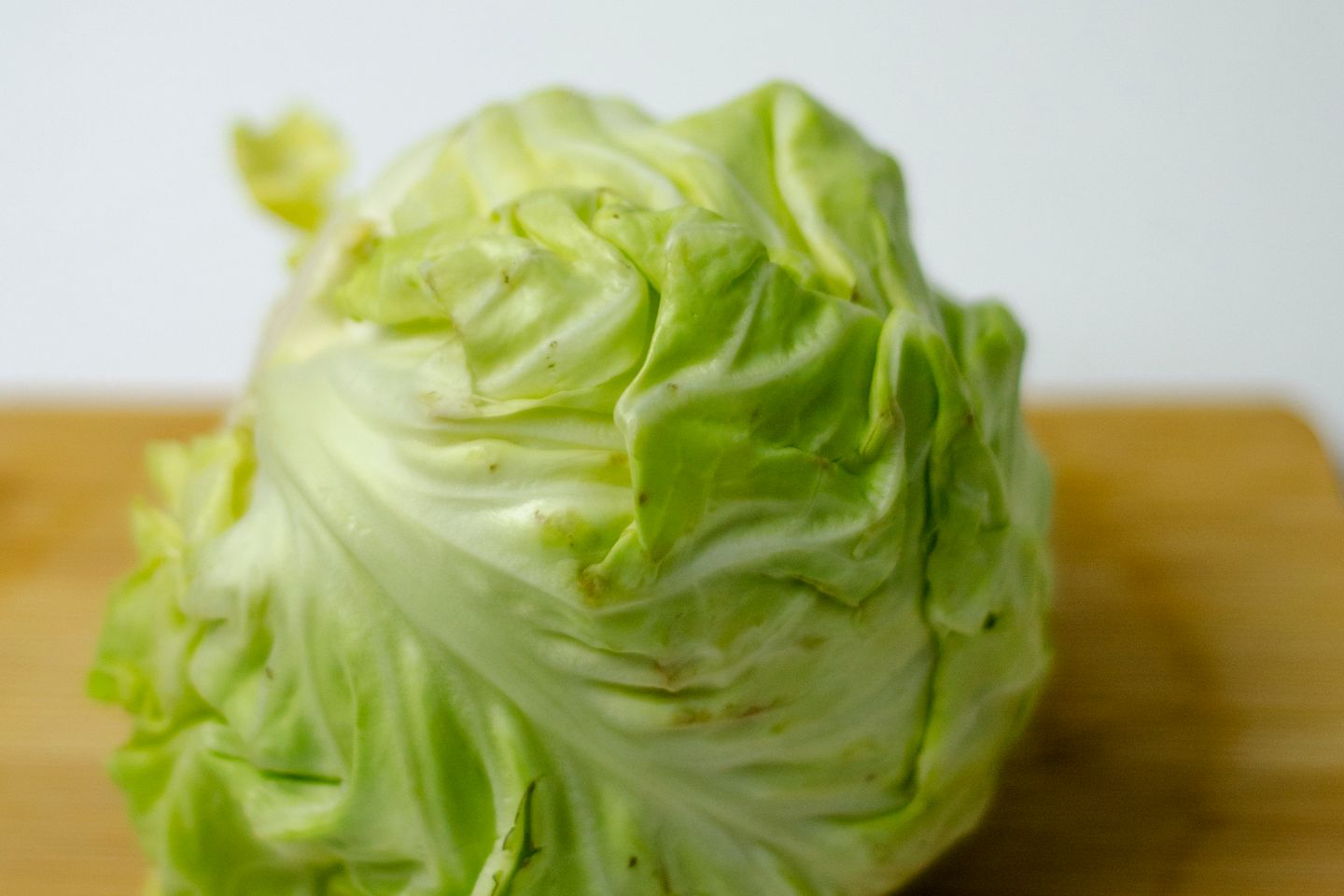
Cook over medium heat in a lightly oiled skillet. Leave the first side undisturbed until it is browned enough to hold together under a thin spatula, then turn it once. Cook thoroughly and, when using leftovers, reheat to 74°C or 165°F. Serve the patties warm over a salad or on a bun with something sharp, such as a spoonful of dressed cabbage. A few toasted oats on the plate can add a crisp note if the patties are especially soft in the center.
Save the texture you want to repeat
If the mixture for the patties stays too soft to shape, put it in a shallow ovenproof dish and level the top with a spoon. Scatter a few rolled oats across it and add a light drizzle of oil. Bake in a moderate oven until hot through and lightly browned at the edges. Let it settle for a few minutes before serving with a spoon. You still get a crisp surface and a soft filling without having to turn anything over. A very small portion can go into a ramekin with some room left at the top so the crumbs are easy to retrieve from the sides.
You can keep fully cooled toasted oats in a clean dry tin if they are plain and dry. Mix fresh herbs or oil in small batches close to serving, and refrigerate any perishable additions promptly. Cool leftover soup promptly in shallow containers and refrigerate it. When choosing which part of a meal to make first, remember that the topping can wait while the soup thickens and the patties cook. Keeping the flakes dry until serving makes the difference between a quiet garnish and an audible crunch.
If you are opening the bag specifically for dinner, set out three tablespoons on a small plate before you start. Toast some for a taste, stir one into a saucepan, and save the rest for a mixture that needs help holding together. There will be little to wash and a clearer idea of what to reach for the next time the soup is too thin or the roasted vegetables have nothing crisp beside them.