Making Room at the Breakfast Table
Build a breakfast that works when the first person has a bus to catch and the last has time to finish a second cup.
8 min read
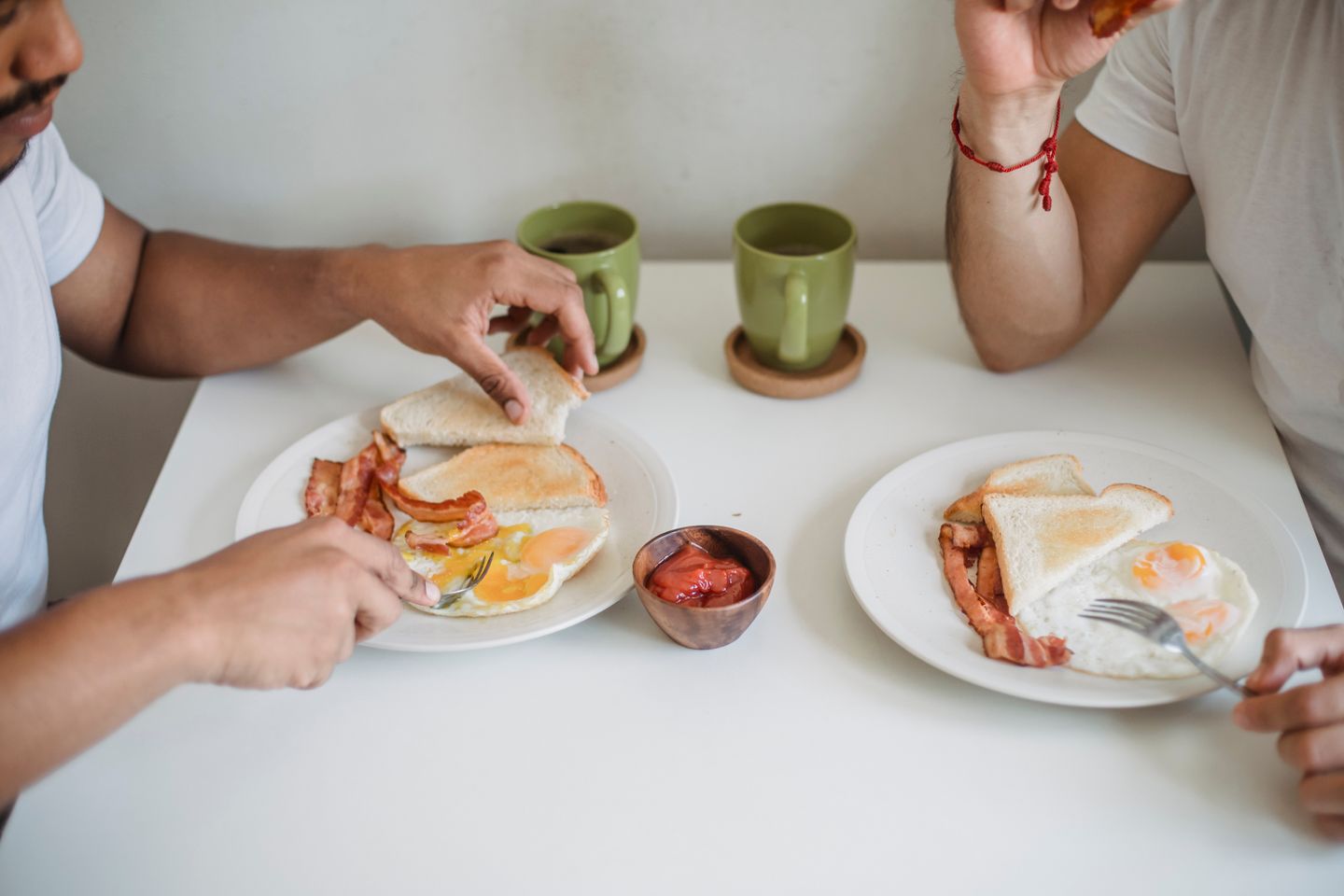
At seven in the morning, two people can come to the same table with completely different ideas of breakfast. One wants a place to put down a bag while peeling an orange. The other wants a plate, a hot drink and fifteen minutes of quiet. The dishes may look much the same whether the two arrive together or an hour apart. What changes is who has to do the work, how long the food can wait and which things must be ready at the instant somebody sits down.
A shared breakfast is often described as a matter of time. There is also a question of space. A table covered with a lunch box, a stack of mail and the implements from making coffee can leave only one place to eat. Clear a second place and leave a few foods where a second person can reach them. That simple change can make breakfast a shared meal on mornings when nobody is free to begin at the same time.
Leave a place before setting a table
A breakfast place can be smaller than a dinner setting. A cup, plate and napkin can fit at the end of a worktable while the other end is in use. Start with a clear area large enough to eat without brushing whatever else is there. A person holding a bowl should have somewhere to set it down before pulling out a chair. A person pouring a drink should have enough room to move the container and the cup without clearing a path with one hand.
Shared things can go on a small tray or directly in the middle, where someone who has just arrived can see them. Put clean spoons near the foods that need them. Give the jug a place that is easy to reach without leaning across another person's meal. If somebody is carrying a bag out of the house, keep a route to the door clear. The food does not have to be laid out as if a group will sit down for a photograph. It needs to be easy to find, use and put away.
A small kitchen can do the same work with a counter. Pick one end where a plate can stay while the person using it goes to the toaster. Keep bags and lunch containers on another surface if possible. When the coffee is made there, leave room beside the pot for two cups. If there is nowhere to sit, make a space just beyond the cooking area where someone can safely stop with their drink and food. The place can become familiar even if there is no permanent table to set.
Divide the food by when it needs you
Fresh toast belongs to the person who is about to eat it. A whole loaf can serve people as they appear, and a plate of fruit can stand nearby while someone puts a slice into the toaster. Oatmeal may take only a few minutes to cook, but a portion that sits in a bowl often thickens before someone comes looking for it. Keep the oats and whatever will go on top easy to find. A person can make a bowl at the moment they want to eat and decide whether it should be loose or thick.
If you have time for only one hot element, choose the one that matters to the meal. It might be a pan of eggs served with bread at room temperature, or warm bread with fruit, nut butter and something cold from the refrigerator. Most of the food can remain adaptable when the cooked part is small. A shared jar or dish then has a reason to be at the table without making anybody wait for an elaborate plate.
Set up the things that last before you begin the things that change. A clean spoon, a plate and the dry ingredients for a bowl are as easy to get out five minutes early as they are to get out at the last minute. A cut pear, a fried egg and a hot drink are better prepared nearer serving. This distinction is useful when guests are staying in the house. Let them know what is available without requiring them to say when they will wake up or what they will want to eat.
Make the second helping easy
A meal for a person eating in a hurry may need only one trip between chair and counter. A longer breakfast often has a second round. Someone finishes the savory part and wants a little jam, or takes one more slice while another person pours coffee. Leave out a suitable knife with the butter and keep the bread within reach of whoever will use it. An extra clean cup by the kettle can make an unexpected second person welcome without the host interrupting their own meal.
Use bowls and jars that do not require much explanation. If a container looks like it holds sugar and it contains something else, add a small label or keep the original package beside it. If there are similar-looking alternatives for dietary reasons, tell guests which utensil belongs with each and keep them separate where needed. There is no need to produce a full breakfast bar. A person deciding between jam and a slice of cheese simply needs to see the two choices and reach them easily.
The second helping need not be a second meal. One biscuit can be broken in half, or a person can take a few pieces of fruit. If there is something especially good on the table, such as a new loaf or ripe peaches, give people a way to take a little at first and return later. Big servings can make a person feel obliged to finish what they were given. Small, available portions make room for appetite to catch up with the morning.
Start with what the evening left behind
It can be easier to prepare a distinctive breakfast from the previous day's meal than from a separate collection of ingredients bought for breakfast. A few cooked potatoes can be warmed and browned in a small pan. A piece of firm bread can be toasted and topped with soft cooked greens. Cold leftover roasted vegetables, stored properly, may go with yogurt or a little cheese. A lunch already packed for later can set the limit on how much you use. There is no need to plan two large meals to make the morning one feel complete.
Use the texture of the leftovers to choose their new role. Cooked vegetables that have softened can go into the warm part of a meal. A well-stored piece of bread with a firm edge may be best toasted. A few teaspoons of sauce can be an addition, and a bowlful of something very wet may need a spoon and its own place. If two people like different things in the morning, keep the main pieces separate until serving. One may put the potatoes under an egg, while the other eats them later with a portion of yesterday's beans.
You can leave a little note about what to use and where it is. A mark on the refrigerator or a word to the first person up may be enough. Consider the smallest work that helps another person eat. It could be slicing the loaf before setting it out. It could be putting an empty bowl beside a covered container so someone knows it is for breakfast. A meal can be shared through that arrangement even if the two people miss one another by twenty minutes.
Protect a few minutes when they appear
On a morning when everyone is home, a table that usually handles fast departures can hold a slower meal without a large change. Take the keys off it and put the bread in the middle. Sit down with what is ready before inventing a second course. If a person leaves to answer a call and comes back, let them make another piece of toast. A table prepared for staggered arrivals turns out to be good at accommodating an unhurried visit too.
Avoid making the person who arrives first responsible for everyone who follows. They can put perishable foods away promptly and leave the dry parts of the meal available. At the end, the last person can collect the cups and wipe the area where the jam jar sat. Decide who clears the table if the next activity needs the same surface. This is particularly useful when the breakfast table also becomes a place for schoolwork, a quiet morning of paperwork or a grocery delivery.
A routine works when it takes account of the most common interruption. A child looking for a school bag may need a plate they can finish without missing their ride. A person working at home can return for more once a meeting ends. Keep the choice simple when time is short and leave the tools for a slower breakfast nearby. Nobody has to supervise the whole morning for the system to work.
When a little time does overlap, use it. Eat a slice while the other person finishes their drink. Move the fruit bowl if it blocks the view across the table. Ask a question you have enough time to hear the answer to. Later, the plate and cup will be gone and the surface may return to its usual work. A cleared place in the middle of a busy house can give the day a gentler beginning without becoming another obligation.