Cucumber Noodles with Sesame
Make a cold noodle bowl that stays bright and lightly dressed by draining the cucumbers, cooling the noodles, and adding sesame at the table.
8 min read
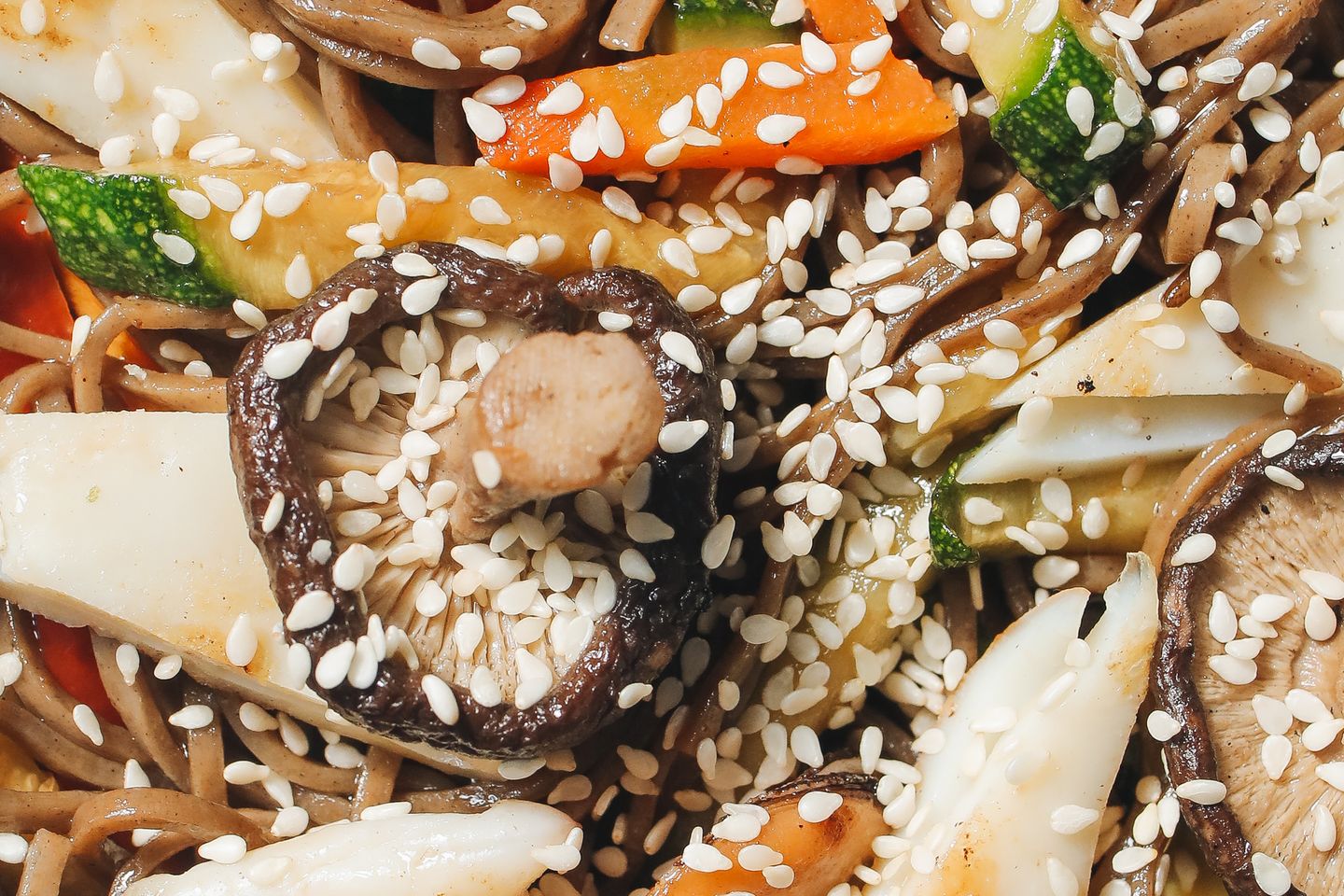
A cold noodle bowl can change between the first bite and the last. At first the sesame smells wonderful and the cucumbers still have their snap. By the bottom of the bowl the dressing may have turned into a puddle that tastes mostly of cucumber. Two small choices keep it from going that way. Give the cut cucumbers a few minutes to release their first spoonful of water. Then drain the cooked noodles thoroughly before giving them any dressing. A thin coat will hold to both ingredients as long as each has already let go of the water it does not need.
This bowl uses one pot and a colander. It suits a warm evening or a lunch packed with a cold source and assembled just before eating. The cucumbers are cut into sticks long enough to go around a fork with the noodles. If a round of cucumber is what you want to eat, slice it into thin rounds instead. The finished bowl should have enough vegetables to make a full bite on their own. A chopped scallion and a little sesame seed carry the fragrance to the table.
What to put on the counter
For three to four servings, use 250 grams of dried wheat noodles, two small thin-skinned cucumbers or one long cucumber, and two scallions. For the dressing, use 2 tablespoons unseasoned rice vinegar, 1½ tablespoons regular soy sauce, 1 tablespoon toasted sesame oil, 1 tablespoon neutral oil, and 1 teaspoon sugar. Keep a pinch of salt for the cucumbers and 2 teaspoons sesame seeds for the finish. A small piece of ginger is optional. Use half a teaspoon finely grated if you want the dressing to have a warmer edge.
Spaghetti is a reasonable choice if that is what is on the shelf. Wheat noodles sold for cold salads are often thinner and will cook faster. The packet matters more than the shape in the picture. Choose a noodle that has some bite after cooking and is narrow enough to take a light coating of sauce. Soba can work. Rinse it thoroughly after cooking and handle it gently, as buckwheat noodles may be more fragile. If you cook rice noodles, taste them before dressing and keep enough cool water handy to rinse away the starch. They often clump when left to stand undressed.
Pick cucumbers whose skin feels firm all the way to the ends. Large cucumbers can contain a lot of watery pulp around their seeds. Quarter one lengthwise and drag a spoon down the middle to remove only the loose center. Keep the pale, firm flesh. A very small cucumber rarely needs this step. If you have one dark and one pale variety, try a sliver of skin from each. A bitter or tough skin is worth removing. Leaving a few narrow bands of tender skin gives the noodle bowl a little contrast without making every bite fibrous.
Cut for the bite you want
Cut the trimmed cucumber into lengths about the width of a palm. Turn each length onto a flat side and slice it into planks, then cut each plank into sticks roughly the thickness of a pencil. Thin sticks soften faster after salting. Thick ones will stay juicy, but may end up at the bottom of the bowl when the noodles are lifted out. If the cucumber is particularly crisp, you can make some thin and some thick to get both effects. Put the cut pieces in a colander and sprinkle with a small pinch of salt.
Leave the cucumbers over a bowl or in the sink for eight to ten minutes while the water for the noodles heats. Take one piece from the top and taste it. It should taste lightly seasoned. If you used more salt than intended, give the cucumbers a quick rinse and drain again. Roll them in a clean towel to blot away surface water. This does not make them dry inside. It removes what would otherwise go into the dressing immediately. Very fresh small cucumbers can be blotted without salting if you plan to serve the noodles right away.
Slice the scallions separately. The pale parts will keep a sharper taste. Cut them finely if you want them to spread evenly through the dressing. Leave the green parts in slightly longer pieces for the top. If the onions are especially strong, rinse the sliced whites in cold water, drain them, and taste again. The greens should stay dry until the end. Cut the green ends on a slant if they are thick. The extra cut surface releases a little more fragrance while the pieces still hold their shape. This makes it easier to see how much you used and keeps them from looking wilted in a packed lunch.
Cook and cool the noodles
Bring a generous pot of water to a boil and cook the noodles according to the directions on the packet. Stir early, especially if long dry strands are sticking together at the bottom. Take a strand out about a minute before the stated cooking time and rinse it under cold water. Bite through it. A hard pale core needs more time. For a cold bowl, cook the noodles until the bite is even from the outside to the center, with some spring left. Noodles that seem only barely cooked when hot can feel stiff after cooling.
Drain the pot in a large colander and rinse the noodles under cold running water. Move them with clean hands or tongs to let the cold water reach the center. Stop once they feel cool all the way through. Lift the colander and shake it a few times. Let the noodles drain while you make the dressing. Give it another shake before moving them to a bowl. If long strands sit tightly packed at the bottom, lift them up to let the trapped water escape. A shallow bowl makes it easier to dress the noodles without breaking them.
If you want to prepare the noodles ahead, toss the drained strands with a few drops of neutral oil to keep them from sticking and refrigerate them promptly. Keep the cucumber and the dressing separately chilled. When you assemble the bowl, loosen the noodles gently and add the dressing a little at a time. Oil on the surface can keep some dressing from clinging, so a smaller amount of oil at the start is better. If the noodles have tightened into a single mass, divide it into portions before tossing. Working with a smaller handful gives you room to lift the strands without tearing them.
Mix the dressing and taste it on a noodle
Whisk the vinegar, soy sauce, sugar, and optional ginger in a wide bowl until the sugar dissolves. Add both oils and whisk again. Use a few drops on a plain noodle before adding the rest. The dressing can seem too sharp from a spoon and just right against plain wheat noodles. If it needs more brightness, add vinegar in half-teaspoon steps. If the salty flavor lingers after swallowing, use a little more neutral oil or a teaspoon of water. Add the pale scallion pieces and leave the bowl to sit for a minute.
Toast the sesame seeds in a dry skillet over medium heat until they smell fragrant. Stir frequently, then tip them onto a small plate. In a dark pan it helps to look for a few pale gold seeds against the plate rather than waiting for the whole batch to turn brown. If you want to use the seeds straight from the jar, rub them briefly between your palms over the bowl to release some fragrance. Do not put the seeds into the dressing if you want them to remain crisp. They belong on the finished serving.
Toss the noodles with about two thirds of the dressing. Pick them up with tongs from the bottom and let them fall back into the bowl. Add most of the cucumbers and toss once more. Taste a bite that has both noodles and cucumber, then decide whether to add the last of the dressing. If some of the cucumber is still unseasoned, scatter it over the top and spoon a little dressing on that part. Finish with the scallion greens and sesame seeds. Serve with a few extra cucumber sticks or a little more vinegar if people like to adjust their portions at the table.
Add something substantial if it is dinner
Plain cooked edamame or sliced firm tofu can make the bowl more substantial. For three servings, half a cup of shelled edamame or about 150 grams of tofu is enough. Taste the addition with a little dressing before adding it to the noodles. Drain either well before adding it. Thin strips of omelet work, too. Cool the cooked egg and slice it just before serving so it does not warm the cucumbers. If you are packing the meal, use an insulated bag with cold sources for these additions as well as the noodles. The dressing stays most distinct when you carry it separately. For an immediate dinner, serve the bowl with a warm side and keep it simple. As long as the cucumbers snap and the first few noodles carry the sesame, the bowl is doing the work it needs to do.